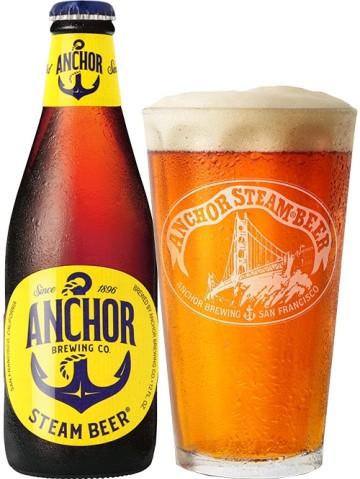
San Francisco’s iconic Anchor Brewing Company, a cornerstone of the city’s craft beer revolution, is closing its doors after 127 years of operation. Renowned for its pioneering role in the American craft beer movement and its flagship Anchor Steam Beer, the historic brewery’s closure marks the end of an era for both San Francisco and beer enthusiasts nationwide. The announcement has sent ripples through the industry, highlighting the challenges faced by longstanding breweries amid changing market dynamics.
San Francisco’s Anchor Brewing Company Ends Historic Run After More Than a Century
After 127 years of brewing innovation and cultural impact, San Francisco’s iconic Anchor Brewing Company is set to close its doors. Known for reviving the classic steam beer style and influencing the craft beer revolution, Anchor carved its name deep into America’s brewing heritage. Despite numerous changes in ownership and evolving market demands, the brewery remained a symbol of San Francisco’s vibrant artisanal spirit. Company officials cited a combination of financial pressures and shifting consumer tastes as key factors behind the difficult decision to end production.
Anchor’s legacy is reflected not only in its flagship products but also in its pioneering contributions to the craft beer community, including:
- Revival of Steam Beer – Bringing back a nearly extinct regional style unique to California.
- Craft Beer Inspiration – Serving as a blueprint for countless microbreweries nationwide.
- Cultural Landmark – Anchoring San Francisco’s identity as a hub for innovation and creativity.
| Brewery Milestones | Year |
|---|---|
| Founding of Anchor Brewing Company | 1896 |
| Launch of Anchor Steam Beer | 1965 |
| Introduction of seasonal brews | 1980s |
| Acquisition by Sapporo Holdings | 2017 |
| Announcement of closure | 2024 |
The Legacy and Impact of Anchor Brewing on Craft Beer Culture
Anchor Brewing Company’s influence on the craft beer movement is immeasurable, serving as a beacon for brewers and enthusiasts alike. As the oldest craft brewery in America, its resurgence in the 1960s laid the groundwork for a beer revolution, emphasizing traditional brewing techniques complemented by innovation. This legacy paved the way for a national appreciation of flavorful, artisanal beers in an era dominated by mass-produced lagers. The closure marks the end of a pioneering chapter that forever changed American beer culture, inspiring countless breweries to craft unique identities and celebrate local flavors.
Key contributions of Anchor Brewing to craft beer culture include:
- Revitalizing steam beer and bringing it to a broader audience
- Championing independent brewing during a period of industrial consolidation
- Influencing sommeliers, chefs, and consumers to consider beer pairing with cuisine
- Fostering a community-focused approach that emphasized quality and authenticity
| Year | Milestone | Impact |
|---|---|---|
| 1965 | Purchase by Fritz Maytag | Rescued Anchor from closure; sparked craft beer renaissance |
| 1975 | Release of Anchor Steam Beer nationally | Created national recognition for craft beer |
| 1995 | Introduction of seasonal brews | Set trend for experimentation with small-batch beers |
Economic and Industry Factors Behind the Closure of an Iconic Brewery
Decades of shifting market dynamics and evolving consumer preferences have largely dictated the fate of Anchor Brewing Company. The craft beer segment, once booming, has become increasingly saturated with numerous newcomers vying for a niche in an ever-competitive marketplace. This oversaturation, paired with rising production costs and logistical challenges, squeezed margins and limited growth opportunities for long-standing breweries like Anchor. Additionally, the recent surge in raw material prices-especially barley and hops-placed added financial pressure, rendering traditional brewing approaches more costly and less sustainable in the current economic climate.
- Increased competition from microbreweries and large corporations
- Escalating raw material and operational expenses
- Changing consumer taste trends favoring artisanal and experimental brews
- Supply chain interruptions affecting distribution efficiency
| Economic Factor | Impact on Brewery |
|---|---|
| Raw Material Costs | Increased by 15% in last 3 years |
| Craft Beer Market Growth | Growth slowed to 2% annually |
| Supply Chain Delays | Extended delivery times by 30% |
Industry-wide regulatory changes and shifting distribution models further complicated Anchor Brewing’s operational landscape. The rise of direct-to-consumer sales combined with digital marketing initiatives favored newer entrants who adapted quickly to e-commerce and social engagement. Meanwhile, legacy breweries struggled to balance these innovations with decades-old infrastructure and traditional distribution agreements. Ultimately, this confluence of economic strain and industry restructuring left little room for historic breweries like Anchor to remain competitive in a fast-evolving market.
What the Closure Means for Local Businesses and Beer Enthusiasts
The closure of Anchor Brewing Company sends ripples through San Francisco’s economic and cultural fabric. As a cornerstone for local businesses, the brewery’s exit is a significant loss to merchants who relied on its steady patronage and collaborative events. Restaurants, bars, and suppliers are now facing the challenge of filling the void left by one of the city’s longest-operating brewers, known for driving customer traffic and fostering community engagement.
Local businesses are immediately affected in several key ways:
- Decreased foot traffic: Anchor Brewing’s draw brought patrons into nearby shops and eateries.
- Loss of partnership opportunities: Special brewery-hosted events and promotions will no longer take place.
- Supply chain disruptions: Local suppliers and distributors must adjust to the reduced volume.
For beer enthusiasts, the closing marks the end of an era. Many have celebrated the innovation and distinct character Anchor Brewing contributed to San Francisco’s craft beer scene. The brewery’s unique recipes and historic tastings formed a cultural staple, and aficionados now face the disappearance of a local icon synonymous with beer history and quality.
| Impact Area | Details |
|---|---|
| Local Economy | Potential revenue drops for adjacent businesses |
| Craft Community | Loss of collaborative breweries and signature brews |
| Consumers | Fewer opportunities for exclusive tasting events |
Insights and Conclusions
The closure of Anchor Brewing Company marks the end of an era for San Francisco’s storied beer scene. After 127 years of crafting some of the city’s most iconic brews, the pioneering brewery’s legacy will live on in the many brewers it inspired and the rich history it helped shape. As the local community and beer enthusiasts reflect on Anchor’s impact, the news serves as a poignant reminder of the challenges facing legacy breweries in an evolving market.