California Strengthens Security Measures Amid Rising Political Tensions
Governor Newsom Mobilizes CHP Crime Suppression Units to Address Heightened Threats
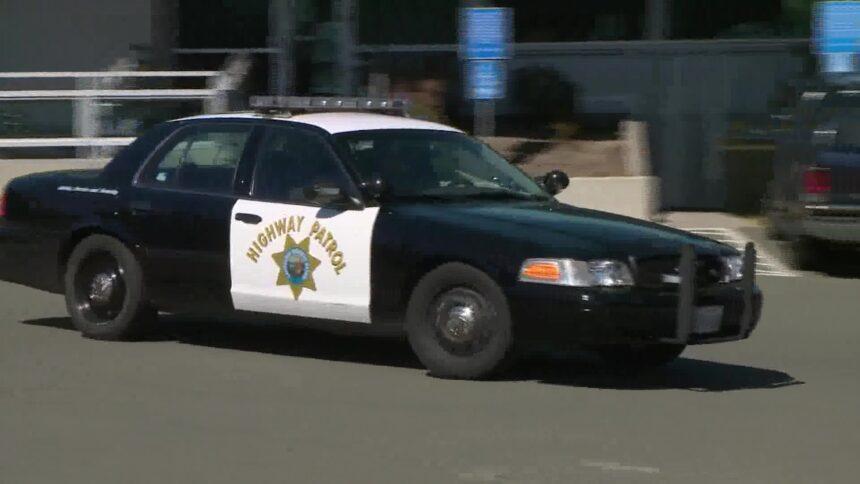
In light of growing security challenges linked to threats from armed factions, California Governor Gavin Newsom has authorized the activation of specialized crime suppression teams within the California Highway Patrol (CHP). These units are tasked with intensifying patrols along critical transportation routes and areas prone to criminal activity, aiming to reinforce public safety and prevent violent incidents during this period of increased political unrest.
The CHP teams will concentrate on several key operational goals, including:
- Swift interception of illegal weapons and explosives trafficking
- Heightened monitoring at vital checkpoints and border crossings
- Coordinated efforts with local law enforcement for timely intelligence exchange
- Community outreach programs encouraging residents to report suspicious behavior
| Operational Focus | Methods Employed | Anticipated Results |
|---|---|---|
| Weapons Control | Enhanced vehicle checkpoints and inspections | Decrease in illicit arms circulation |
| Surveillance Enhancements | Deployment of drones and aerial reconnaissance | Prompt identification and mitigation of threats |
| Public Engagement | Support for neighborhood watch groups and tip hotlines | Greater community vigilance and reporting |
Comprehensive Strategy to Enhance Safety and Deter Violence
Governor Newsom’s directive to deploy CHP crime suppression teams is a calculated response to the surge in threats and the possibility of civil disturbances. These units are strategically stationed in vulnerable zones to maximize visibility, discourage unlawful conduct, and enable rapid intervention if violence erupts. This initiative is part of a broader statewide effort to uphold public order amid the politically charged atmosphere, especially following former President Donald Trump’s controversial National Guard mobilization proposals.
Primary goals of this deployment include:
- Early identification of suspicious or aggressive behavior
- Swift law enforcement action to contain incidents
- Close cooperation with municipal agencies to synchronize preventive measures
- Maintaining safe and accessible public environments for all Californians
| Unit Focus | Core Activities | Deployment Locations |
|---|---|---|
| Intelligence Operations | Monitoring online platforms and community reports | Urban centers and protest-prone areas |
| Patrol Teams | Visible patrols and traffic law enforcement | Major highways and transit routes |
| Rapid Intervention | Immediate response to violent outbreaks | Locations with recent disturbances |
Political Climate Spurs Heightened Law Enforcement Activity in California
The intensifying political discord between California’s state leadership and federal authorities has led to a marked increase in security operations. Governor Newsom’s activation of CHP crime suppression teams signals a robust state-level initiative to preempt unrest linked to contentious federal actions, including former President Trump’s National Guard deployment threats. This heightened vigilance is particularly focused on urban areas where political divisions are most pronounced and the risk of demonstrations escalating into violence is significant.
Contributing factors to the expanded enforcement include:
- Escalated political rhetoric concerning election legitimacy and federal involvement
- Intelligence reports forecasting organized protests and potential violent incidents
- State officials’ mandate to preserve order while minimizing escalation
| Security Measure | Purpose | Expected Impact |
|---|---|---|
| CHP Crime Suppression Teams | Rapid incident response and hotspot management | Lower rates of violent events and faster containment |
| Expanded Surveillance & Intelligence | Early threat identification | Disruption of planned unrest before escalation |
| Community Engagement Initiatives | Reducing community tensions | Enhanced public cooperation and trust |
Strengthening Public Trust Through Transparency and Community Involvement
Building and maintaining public confidence during periods of intensified security requires transparent communication and active community participation. Authorities are encouraged to provide frequent updates outlining the scope and goals of law enforcement activities, alongside clear reporting on outcomes. Establishing dedicated liaison teams can facilitate dialogue between officers and residents, ensuring community concerns are acknowledged and addressed promptly. Additionally, utilizing social media for real-time information sharing helps counter misinformation and alleviates public apprehension.
Effective strategies to boost community collaboration include:
- Organizing local forums to discuss security plans and gather resident feedback
- Implementing confidential tip lines to encourage reporting without fear of reprisal
- Providing cultural sensitivity training for officers to enhance interactions with diverse populations
- Increasing the presence of non-aggressive patrols focused on prevention and engagement
| Approach | Anticipated Benefit |
|---|---|
| Community Liaison Teams | Foster mutual trust and open communication |
| Transparent Incident Reporting | Minimize rumors and misinformation |
| Anonymous Reporting Systems | Encourage greater public participation |
| Regular Public Meetings | Improve understanding and cooperation |
Conclusion: Vigilance and Preparedness in a Volatile Political Landscape
As political tensions continue to mount ahead of significant upcoming events, Governor Gavin Newsom’s decision to deploy CHP crime suppression teams highlights California’s dedication to safeguarding its communities. With concerns intensifying over security risks linked to former President Trump’s National Guard mobilization discussions, state authorities remain alert and ready to act decisively. The evolving situation demands ongoing attention from both officials and citizens to ensure safety and stability throughout the state.