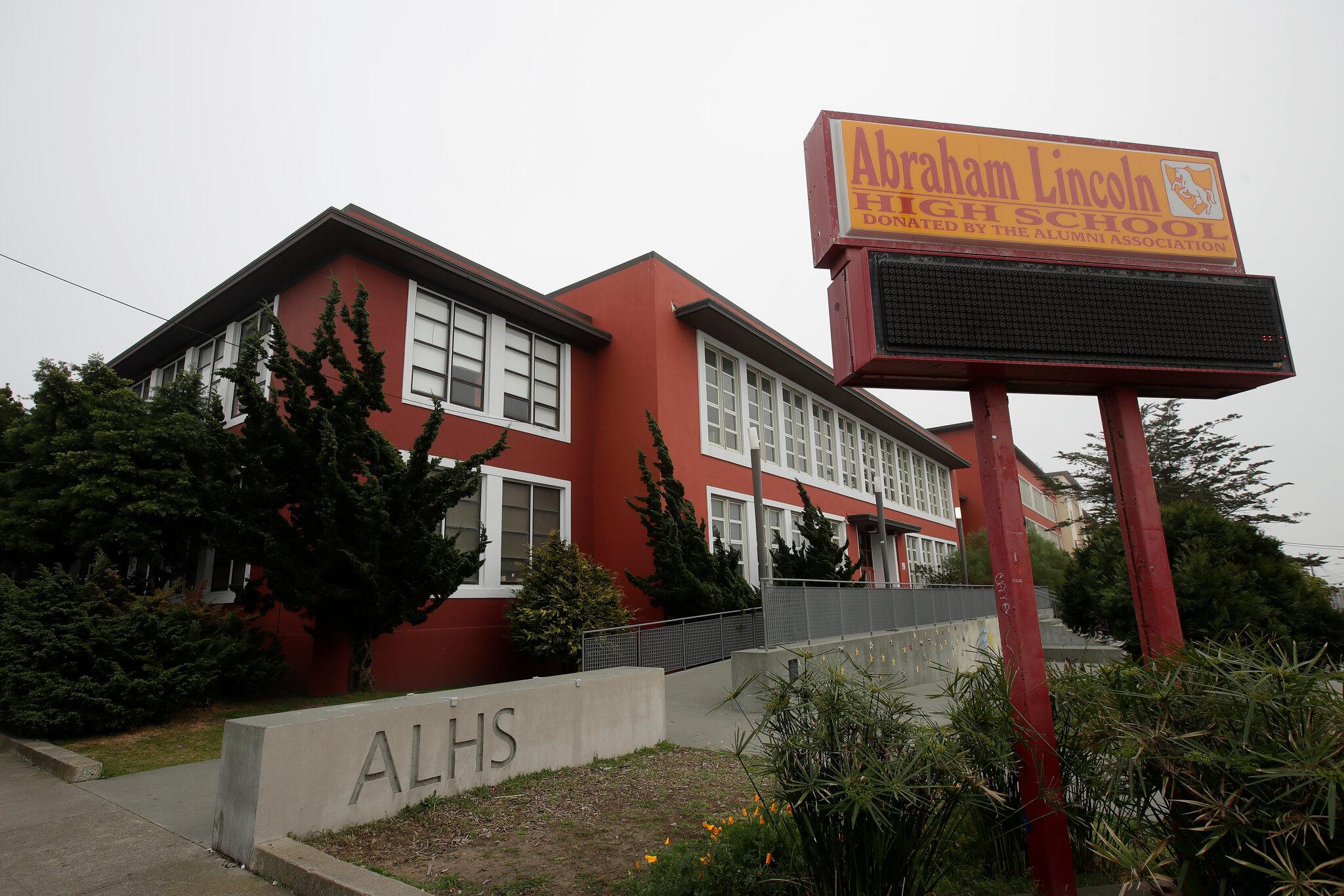
San Francisco’s Initiative to Rename Schools: A Progressive Step Toward Inclusive Education
San Francisco School District’s Move to Replace Names of Washington, Lincoln, and Feinstein Schools
The San Francisco Unified School District has embarked on a transformative journey by approving a resolution to rename several public schools currently named after George Washington, Abraham Lincoln, and Dianne Feinstein. This decision emerges from extensive community dialogues centered on equity, representation, and the nuanced legacies of these historical figures. Reflecting a nationwide trend, the district aims to align its educational environment with contemporary values and a more inclusive historical narrative.
The board’s resolution outlines several key initiatives:
- Inclusive Community Participation: A comprehensive, months-long engagement process will actively involve students, families, educators, and local residents in proposing new school names.
- Emphasis on Social Justice: New names will honor individuals who have made significant contributions to civil rights, social equity, and community empowerment.
- Phased Implementation: The renaming will be executed gradually over several years to reduce logistical challenges and financial burdens related to updating school signage and materials.
| Existing School Name | Namesake | Rationale for Renaming |
|---|---|---|
| George Washington High School | First President of the United States | Legacy includes ownership of enslaved people and controversial Indigenous policies |
| Abraham Lincoln High School | 16th President of the United States | Complex legacy with criticisms regarding treatment of Native American communities |
| Dianne Feinstein School | Former San Francisco Mayor and U.S. Senator | Controversies over policies impacting marginalized groups, including Indigenous populations |
Public Response and Historical Insights Surrounding the Renaming Effort
The proposal to rename these schools has sparked a spectrum of reactions within the San Francisco community, underscoring the complexity of reconciling historical reverence with modern values. Advocates for the change emphasize the importance of creating educational spaces that reflect inclusivity and acknowledge historical injustices. Many students and activists view this as an opportunity to broaden conversations about representation and identity in schools.
Conversely, some residents express apprehension about removing names tied to foundational figures without adequate educational context, fearing that it might lead to oversimplification of history. This debate mirrors a larger national discourse on how societies remember and honor their past.
To better understand the motivations behind the renaming, here is a brief overview of the historical roles and controversies linked to each namesake:
| Namesake | Historical Significance | Reason for Reconsideration |
|---|---|---|
| George Washington | Founding Father and first U.S. President | Owned enslaved individuals; policies contributing to systemic racial inequalities |
| Abraham Lincoln | Led the nation through the Civil War; issued the Emancipation Proclamation | Criticized for actions perceived as harmful to Native American communities |
| Dianne Feinstein | Long-serving Senator and former Mayor of San Francisco | Opposition to certain police reforms and Indigenous rights initiatives |
- Core Issues: Reconciling historical achievements with evolving societal ethics
- Community Aspirations: Promoting cultural sensitivity and fairness in educational settings
- Next Steps: Establishment of committees to recommend new, representative school names
Educational and Cultural Impacts of Renaming Schools
Renaming schools that honor controversial figures offers a unique chance to reshape how history is taught and commemorated within the community. This initiative encourages educators to incorporate a broader spectrum of voices and experiences into the curriculum, fostering critical thinking and empathy among students. By presenting both the accomplishments and the contentious aspects of historical figures, schools can cultivate a more nuanced understanding of America’s past.
From a cultural heritage perspective, this transition invites collaboration between school districts, local governments, and community groups to preserve history in ways that are inclusive and respectful. Potential projects include:
- Interactive community workshops to collect diverse perspectives on school names and symbols
- Archival documentation that presents comprehensive histories of former namesakes with balanced viewpoints
- Incorporation of Indigenous and minority histories into school displays and public educational materials
| Aspect | Traditional Approach | Updated Strategy |
|---|---|---|
| Historical Focus | Emphasis on founding fathers and prominent politicians | Highlighting diverse leaders, activists, and community figures |
| Instructional Method | Memorization and celebration | Encouraging critical analysis and open dialogue |
| Community Involvement | Minimal participation | Active engagement in naming and heritage preservation decisions |
Strategies for Inclusive Stakeholder Engagement in School Naming Processes
To ensure that future school naming decisions are equitable and reflective of community values, it is vital to implement robust stakeholder engagement practices. Early and ongoing community forums should be organized to provide platforms for students, parents, educators, historians, and other local voices to share their perspectives. Leveraging digital tools such as online surveys and social media outreach can enhance participation, particularly among younger demographics.
Transparency throughout the process is essential to build trust and demonstrate how community input shapes outcomes. Establishing a diverse advisory committee representing various sectors of the community can help mediate differing opinions and offer balanced recommendations to decision-makers, reducing polarization.
| Engagement Stage | Methods | Objective |
|---|---|---|
| Initial Outreach | Community meetings, online questionnaires | Collect wide-ranging community feedback |
| Focused Deliberation | Stakeholder advisory panels | Evaluate diverse viewpoints and develop naming proposals |
| Decision Communication | Public reports, interactive Q&A sessions | Clarify decisions and outline subsequent steps |
Conclusion: Embracing Change for a More Inclusive Future
San Francisco’s plan to rename schools honoring George Washington, Abraham Lincoln, and Dianne Feinstein signifies a pivotal moment in the city’s ongoing effort to confront and reinterpret its historical narrative. This initiative is part of a larger national movement to reassess the figures we commemorate in public spaces, ensuring they resonate with today’s values of diversity and inclusion. As the community collaborates to select new names that better represent its rich cultural fabric, San Francisco’s education system is poised to lead in fostering a more equitable and thoughtful approach to history.
Ongoing coverage by CBS News and other outlets will continue to track the progress and community impact of these changes, highlighting lessons that may inform similar efforts across the country.