California Academy of Sciences: A Trailblazer in Sustainable Architecture and Innovation
Revolutionizing Eco-Friendly Design Through Advanced Green Technologies
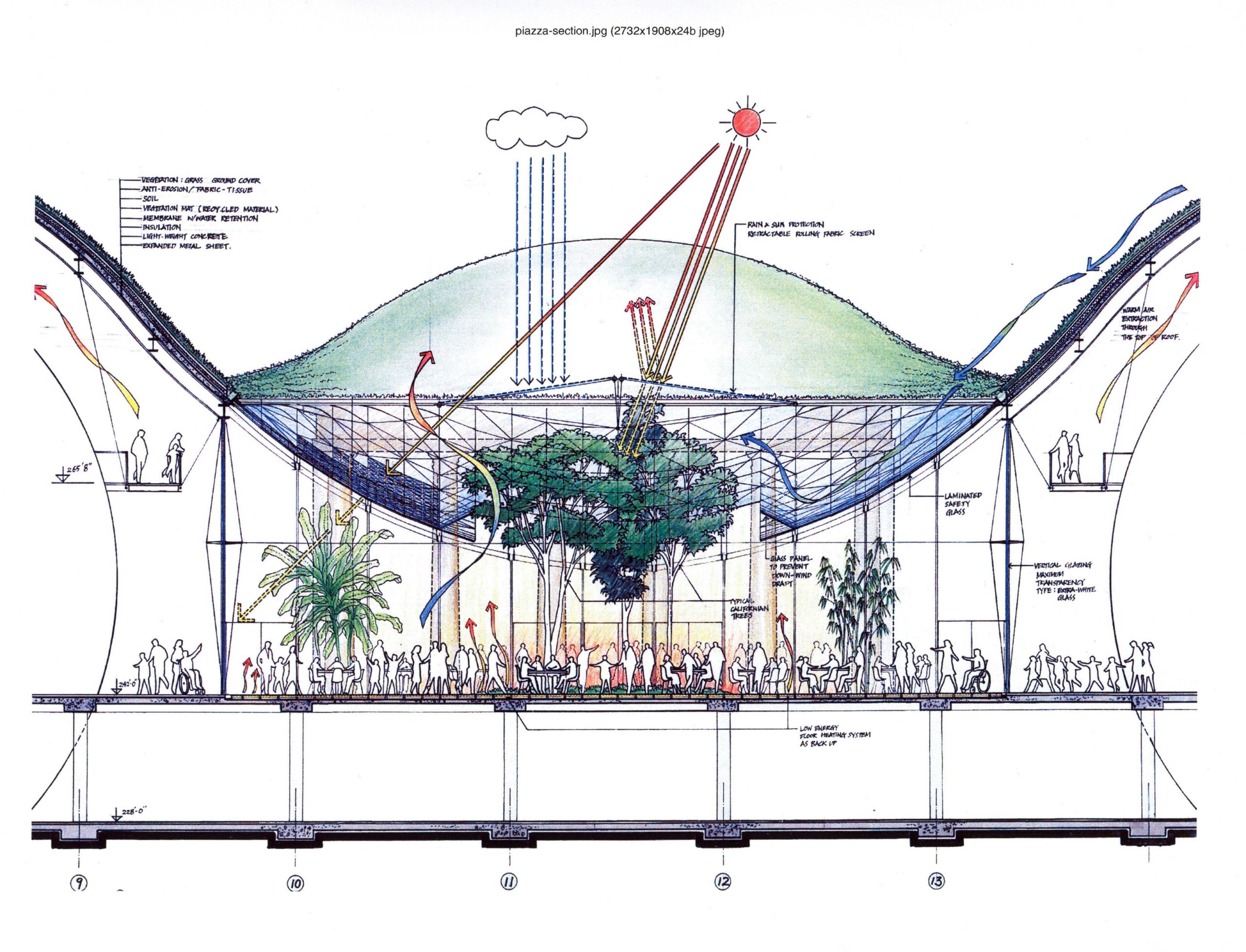
Situated in the vibrant city of San Francisco, the California Academy of Sciences exemplifies groundbreaking sustainable architecture, realized through the partnership of Renzo Piano Building Workshop and Stantec Architecture. This landmark facility harmoniously blends state-of-the-art environmental technologies with an organic architectural vision, creating a fluid interface between urban development and the natural world. Central to its design is a 2.5-acre living roof, densely planted with indigenous flora adapted to the local climate, which significantly reduces irrigation needs while fostering urban biodiversity. Complementing this are sophisticated rainwater collection systems and photovoltaic arrays that work synergistically to lower the building’s ecological footprint and enhance energy autonomy.
Among the building’s standout sustainable innovations are:
- Passive Cooling Systems: Automated operable windows enable natural ventilation, cutting down on mechanical air conditioning demands.
- Optimized Daylighting: Carefully positioned skylights and light wells maximize sunlight penetration, reducing dependence on artificial lighting.
- Eco-Conscious Materials: The use of recycled, locally sourced, and low-impact materials minimizes carbon emissions associated with construction.
- Intelligent Energy Controls: Real-time monitoring through advanced sensors allows dynamic adjustment of energy consumption for peak efficiency.
This comprehensive approach not only advances environmental stewardship but also enriches visitor engagement by immersing guests in a living ecosystem where architecture and nature coexist seamlessly.
Synergistic Collaboration: Merging Visionary Architecture with Sustainable Engineering
The partnership between Renzo Piano Building Workshop and Stantec Architecture represents a paradigm of collaborative excellence, merging bold architectural creativity with rigorous sustainability engineering. Renzo Piano’s signature organic forms and sweeping green roof design are complemented by Stantec’s expertise in energy-efficient systems and sustainable building practices, culminating in a structure that is both visually captivating and environmentally responsible.
Highlights of this collaboration include:
- Integration of natural light and ventilation systems that reduce energy use by more than 50%
- Innovative application of renewable and recycled materials alongside cutting-edge building technologies
- Flexible interior layouts designed to accommodate diverse educational programs and interactive exhibits
- Landscape design that blurs the line between constructed space and native habitat restoration
| Focus Area | Lead Contributor | Resulting Impact |
|---|---|---|
| Architectural Concept | Renzo Piano Building Workshop | Iconic organic shapes and extensive green roofing |
| Sustainability Engineering | Stantec Architecture | Energy-efficient infrastructure; LEED Platinum certification |
| Interior Design & Functionality | Joint Collaboration | Adaptable spaces supporting education and research |
| Environmental Integration | Landscape Architects from Both Firms | Incorporation of native plants and habitat restoration |
Enhancing Visitor Engagement Through the Fusion of Nature and Technology
The California Academy of Sciences elevates the visitor experience by merging immersive technology with the tranquility of natural environments. Guests explore interactive exhibits featuring augmented reality, live data visualizations, and multisensory audiovisual presentations that demystify complex scientific phenomena. This innovative blend deepens public understanding of biodiversity and environmental conservation, all while preserving the integrity of the Academy’s living ecosystems, including its renowned living roof and expansive rainforest dome.
- Personalized Digital Guides: Tailor visitor journeys based on individual interests and learning pace.
- Environmental Monitoring Sensors: Provide real-time data on climate and habitat conditions displayed publicly.
- Smart Habitat Management: Optimize environmental parameters to support plant and animal health, enhancing conservation and visitor observation.
Educational initiatives benefit from this integration by employing multimedia tools and interactive digital platforms, engaging audiences across all age groups more effectively than traditional methods. This synergy of technology and nature fosters curiosity and positions the Academy as a leading example of sustainable innovation within cultural institutions.
| Feature | Visitor & Environmental Benefit |
|---|---|
| Living Roof Ecosystem Monitoring | Improves plant health and reduces energy consumption |
| Augmented Reality Exploration | Engages visitors with in-depth species information |
| Live Environmental Data Displays | Raises awareness about climate change and sustainability |
Guidelines for Future Sustainable Architecture Inspired by the Academy’s Model
Architectural projects aspiring to embed sustainability at their core can draw valuable insights from the California Academy of Sciences. This model emphasizes a comprehensive integration of ecological principles with advanced technology, advocating for renewable energy adoption such as solar power and natural ventilation to drastically reduce environmental impact. Incorporating biomimicry and green roofs transforms buildings into active ecological participants rather than passive structures. Furthermore, engaging stakeholders transparently throughout the design and construction phases ensures sustainability remains a foundational priority rather than an afterthought.
Key actionable strategies for future developments include:
- Adaptive Reuse: Prioritize renovation and repurposing of existing structures to conserve resources.
- Innovative Materials: Employ locally sourced, recycled, and non-toxic materials to minimize environmental harm.
- Energy-Positive Design: Aim for net-positive energy buildings through comprehensive renewable integration.
- Community Engagement: Create spaces that promote sustainability education and foster environmental awareness.
| Strategy | Environmental & Social Benefit | Practical Application |
|---|---|---|
| Green Roofs | Enhances insulation and supports biodiversity | Thermal regulation and creation of urban habitats |
| Rainwater Harvesting | Decreases potable water usage | Irrigation for landscaping and non-potable needs |
| Natural Lighting | Reduces energy consumption and improves occupant well-being | Daylight-responsive lighting controls and design |
| Indoor Air Quality Management | Promotes healthier indoor environments | Use of low-VOC materials and incorporation of indoor plants |
Looking Ahead: The Lasting Legacy of the California Academy of Sciences
The California Academy of Sciences, realized through the visionary collaboration of Renzo Piano Building Workshop and Stantec Architecture, stands as a pioneering example of sustainable design and architectural innovation. By seamlessly integrating natural ecosystems with advanced technological solutions, it not only transforms the museum experience but also establishes a benchmark for future environmentally conscious projects worldwide. As this iconic institution continues to inspire architects, environmentalists, and the public, it underscores the critical role that thoughtful, sustainable design plays in shaping cultural landmarks and the environments they inhabit.