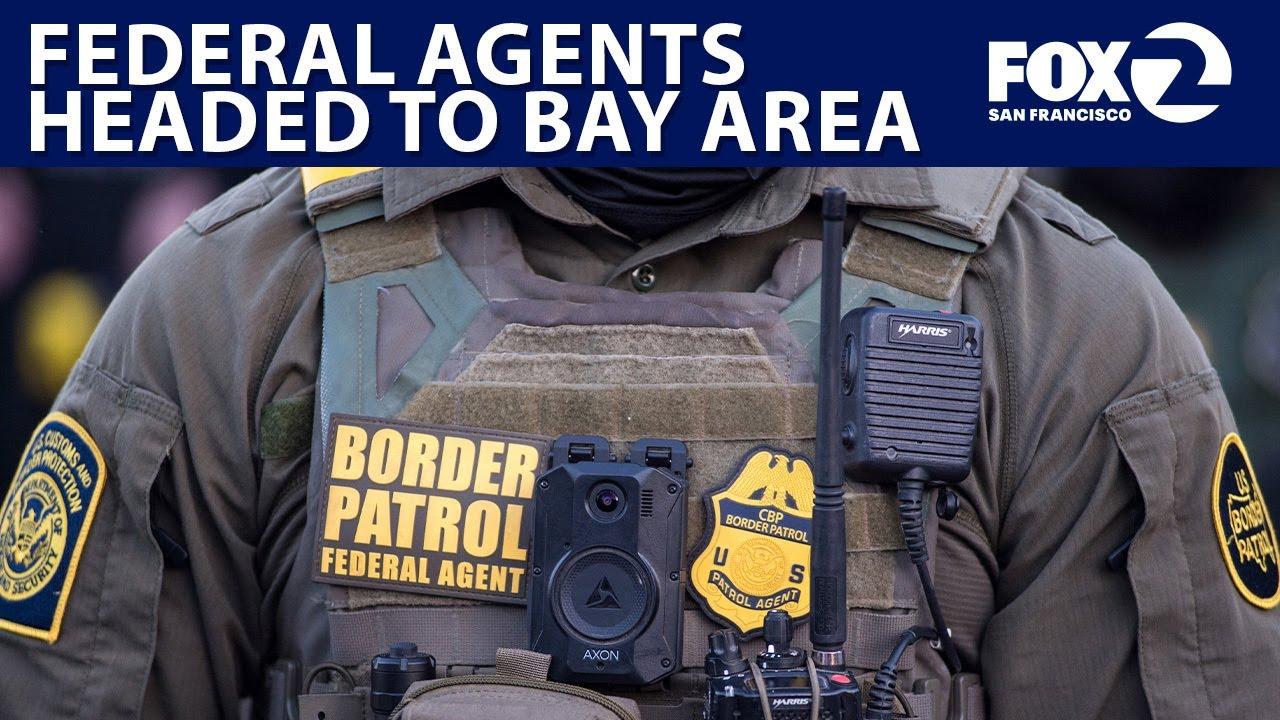
Trump Administration Suspends Federal Agent Surge in San Francisco After Talks with City Leadership
In a notable policy reversal, President Donald Trump has decided to postpone the planned deployment of additional federal law enforcement officers to San Francisco. This decision came after constructive discussions with the city’s mayor, reflecting a mutual willingness to reassess strategies aimed at combating escalating crime and civil disturbances. Initially, the federal government intended to intensify its presence to support local efforts, but strong resistance from municipal officials and community advocates prompted a reconsideration. This development signals a de-escalation in the previously heightened tensions between federal authorities and San Francisco’s local government, as both sides seek a more collaborative approach to public safety.
Pause on Federal Agent Deployment: A Result of Constructive Dialogue
Following recent conversations between federal representatives and San Francisco’s mayor, the immediate plan to increase federal agents in the city has been suspended. The talks underscored critical issues such as jurisdictional boundaries and the importance of maintaining positive community relations. Both parties agreed to temporarily halt the surge to allow for a thorough review and to foster better communication channels. City officials stressed the need for a cooperative framework that balances enhanced security measures with respect for local governance and civil rights.
- Promoting partnership between federal and city law enforcement agencies
- Safeguarding civil liberties amid any increased law enforcement activity
- Incorporating community feedback to guide federal involvement
| Focus Area | Current Status | Planned Actions |
|---|---|---|
| Federal Agent Deployment | On hold | Ongoing discussions |
| Community Input | Gathered | Integration into strategy |
| Jurisdictional Coordination | Being evaluated | Develop enhanced protocols |
Effects of Federal Law Enforcement Presence on San Francisco’s Policing and Community Trust
The introduction of federal agents into San Francisco’s urban policing landscape has ignited significant debate regarding its impact on local law enforcement dynamics and public confidence. Many community members and city officials voiced apprehensions that a federal surge could disrupt established policing models centered on community engagement and transparency. Critics warned that a more militarized federal presence might exacerbate tensions, particularly among marginalized populations, potentially leading to increased reports of excessive force and arbitrary detentions.
Notable consequences from previous federal deployments include:
- Strained relationships between local and federal law enforcement agencies
- Heightened mistrust and anxiety within minority communities
- Confusion stemming from overlapping jurisdictional responsibilities
- Amplified media scrutiny and public criticism of policing methods
| Aspect | Local Police Approach | Federal Agent Approach |
|---|---|---|
| Operational Style | Community-oriented | Enforcement-driven |
| Community Interaction | Relationship building | Rapid tactical response |
| Accountability | Subject to public oversight | Federal internal oversight |
The decision to delay the federal surge reflects an acknowledgment of these complexities and a preference for strategies that prioritize trust and cooperation over confrontation. The mayor’s engagement with federal officials highlighted the importance of maintaining a policing environment that respects civil liberties while ensuring public safety, a balance that remains critical in San Francisco’s diverse communities.
Perspectives from San Mateo Officials on Federal-Local Law Enforcement Synergy
Officials from neighboring San Mateo have underscored the necessity of fostering a collaborative relationship between federal and local law enforcement agencies to enhance public safety without compromising community trust. Representatives from the sheriff’s office cautioned that unilateral federal actions, such as deploying additional agents without local input, risk undermining ongoing community policing initiatives designed to build trust and reduce crime sustainably. They welcomed the federal administration’s decision to reconsider the surge, viewing it as a positive step toward respecting the nuanced balance between enforcement and civil rights.
- Successful cooperation depends on transparent communication and respect for local authority.
- Community engagement remains essential for addressing crime effectively and sustainably.
- Federal involvement should complement, not replace, local law enforcement efforts.
- Maintaining transparency with residents is vital to uphold confidence in policing.
| Dimension | Local Viewpoint | Federal Role |
|---|---|---|
| Jurisdiction | Primary authority | Supportive role |
| Community Relations | Focus on trust-building | Enforcement emphasis |
| Transparency | High priority | Needs enhancement |
| Crime Response Strategy | Preventive and proactive | Reactive and tactical |
Recommendations for Harmonizing Federal Assistance with Local Autonomy
Effective public safety governance requires a nuanced balance between federal support and municipal independence. The recent negotiations between federal officials and San Francisco’s mayor highlight the importance of respecting local leadership while addressing broader security concerns. To achieve this balance, policies should incorporate:
- Joint planning mechanisms that integrate local expertise into federal operational strategies
- Robust communication channels to prevent misunderstandings and promote transparency
- Shared accountability frameworks that empower municipalities to set enforcement priorities tailored to their communities
Additionally, establishing clear, measurable objectives that align federal initiatives with local welfare can reduce friction and enhance cooperation. The table below outlines key components for sustaining this equilibrium:
| Component | Federal Contribution | Municipal Responsibility |
|---|---|---|
| Public Safety Programs | Provide specialized resources and expertise | Define enforcement priorities based on community needs |
| Community Outreach | Support educational and engagement initiatives | Lead resident dialogues and trust-building efforts |
| Policy Implementation | Supplement with targeted federal agents | Maintain day-to-day operational control |
Conclusion: Navigating the Complexities of Federal-Local Law Enforcement Cooperation
By scaling back plans to deploy additional federal agents in San Francisco after consultations with city officials, the Trump administration has adjusted its approach amid ongoing debates over jurisdiction and public safety. This decision highlights the intricate relationship between federal authorities and local governments, emphasizing the need to balance crime reduction efforts with respect for municipal autonomy. As urban centers across the nation continue to grapple with similar challenges, fostering cooperative frameworks that prioritize transparency, community trust, and shared responsibility will be essential for sustainable public safety outcomes.