
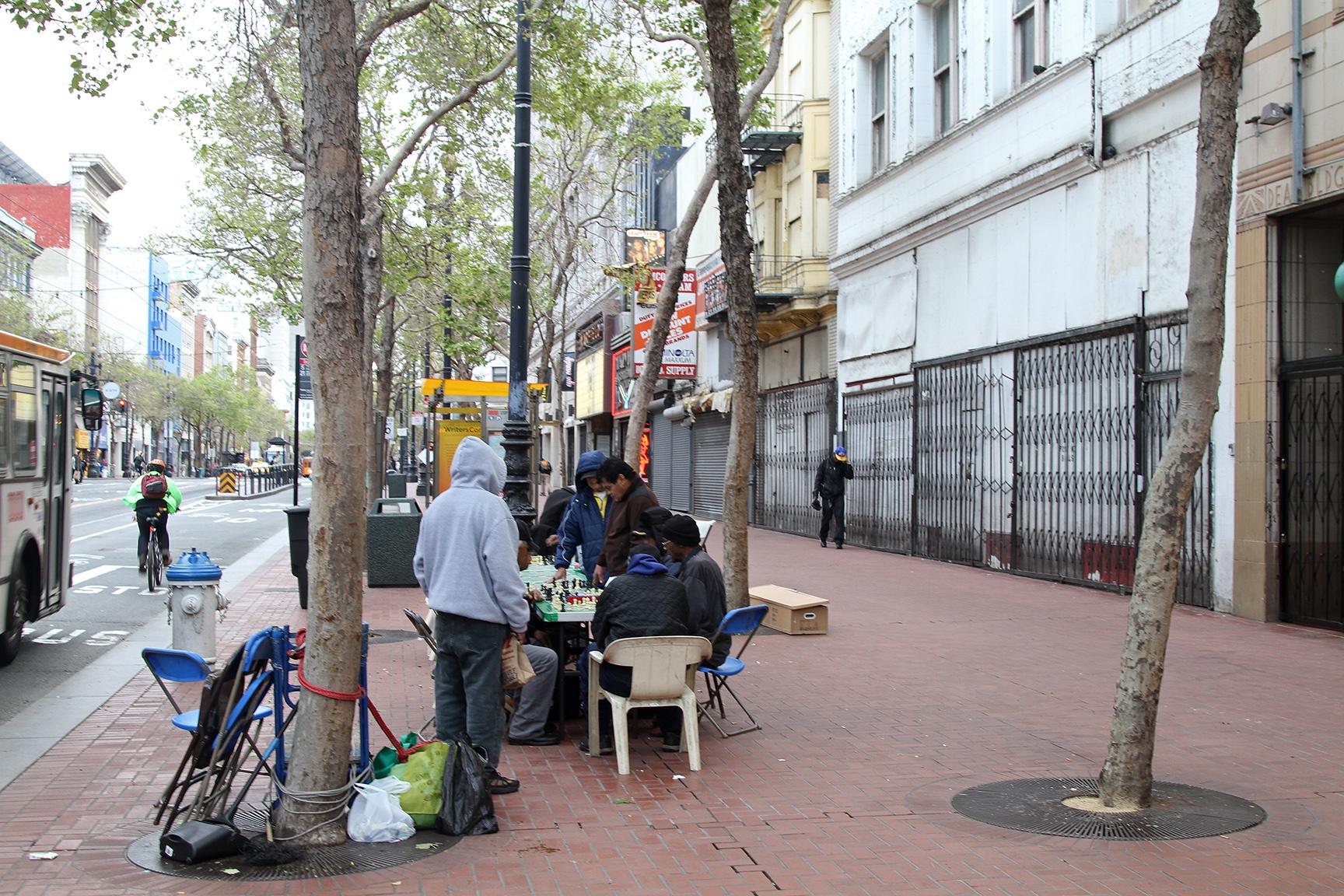
San Francisco Faces Legal Challenge Over Escalating Drug and Crime Crisis in Tenderloin
Allegations of Municipal Neglect Amid Rising Drug Epidemic in Tenderloin
San Francisco is currently confronting a significant lawsuit accusing city officials of neglecting the worsening drug and crime situation in the Tenderloin neighborhood. Plaintiffs contend that despite numerous warnings and visible distress signals from the community, the city’s response has been inadequate in curbing the surge in public safety and health concerns. The complaint highlights a lack of decisive action, insufficient resource allocation, and ineffective policy implementation to address the rampant open-air drug markets and associated violence.
Main accusations outlined in the lawsuit include:
- Inadequate police presence failing to deter visible drug transactions
- Scarcity of accessible addiction treatment and social support services
- Poor maintenance of public areas, leading to unsafe environments
- Slow and insufficient responses to community crime reports
| Issue | Recent Trend | City’s Current Action |
|---|---|---|
| Overdose Incidents | Up 30% in 2023 | Limited new initiatives |
| Violent Crime Reports | Increasing complaints from residents | Additional patrols deployed |
| Public Health Capacity | Clinics overwhelmed | Pending funding approvals |
Community Advocates Push for Holistic Crime and Drug Intervention Plans
In response to the ongoing crisis, community leaders and local officials have united to demand comprehensive and sustainable strategies to combat the intertwined issues of drug abuse and crime in the Tenderloin. They argue that current efforts are insufficient to tackle the underlying socio-economic drivers and call for a multi-faceted approach that includes enhanced mental health support, increased law enforcement presence, and expanded community engagement.
Key proposals from this coalition include:
- Strengthened partnerships between police forces and social service agencies to enable rapid, coordinated responses.
- Dedicated funding for addiction recovery programs and long-term supportive housing solutions.
- Community-led safety initiatives developed with input from residents and local businesses to foster trust and accountability.
| Initiative | Anticipated Result | Implementation Timeline |
|---|---|---|
| Expanded street patrols | Decrease in violent crimes | Within 3-6 months |
| Broadened detoxification services | Reduction in overdose fatalities | 6-12 months |
| Regular community forums | Enhanced public trust and safety awareness | Ongoing |
Legal Pressure Spurs Reevaluation of Public Safety Policies in Tenderloin
The lawsuit has intensified public and governmental scrutiny of San Francisco’s strategies for managing the Tenderloin’s persistent drug and crime problems. This legal challenge is prompting city officials to reconsider and potentially overhaul existing policies, aiming for a more proactive and integrated approach. Proposed adjustments include bolstering law enforcement efforts alongside expanding social support systems to address both immediate dangers and systemic causes.
Notable policy shifts under consideration include:
- Augmented police deployment with targeted patrols to disrupt open-air drug activities.
- Increased investment in mental health and addiction recovery services.
- Enhanced community partnerships to foster collaboration and improve neighborhood safety.
| Policy Domain | Before Lawsuit | Post-Lawsuit Direction |
|---|---|---|
| Law Enforcement | Primarily reactive | Proactive, intelligence-led patrols |
| Rehabilitation Services | Under-resourced | Expanded funding and outreach programs |
| Community Involvement | Limited engagement | Stronger collaboration with nonprofits and residents |
Experts Advocate for Increased Investment and Policy Innovation to Reverse Decline
Public health and safety specialists stress that the Tenderloin’s ongoing crisis necessitates a fundamental revision of funding priorities and policy frameworks. Current financial support is widely regarded as insufficient to meet the growing demands of addiction treatment and crime prevention. Experts recommend a substantial increase in funding for community-centered programs focused on prevention, rehabilitation, and harm reduction, alongside enhanced support for law enforcement and social services.
Policy innovation is equally critical. Leading voices call for adopting progressive approaches such as decriminalization paired with expanded mental health care, harm reduction strategies, and improved inter-agency coordination. The table below summarizes urgent focus areas and suggested reforms:
| Focus Area | Current Challenge | Recommended Reform |
|---|---|---|
| Funding | Inadequate support for addiction services | Boost budgets by 40% for rehab and prevention |
| Law Enforcement | Limited specialized units | Create crisis intervention teams |
| Health Services | Fragmented mental health care | Develop integrated multidisciplinary clinics |
| Policy Approach | Predominantly punitive | Adopt harm reduction and diversion programs |
- Prioritizing community involvement is essential to rebuild trust and support long-term recovery.
- Utilizing data-driven methods will enhance the effectiveness and accountability of interventions.
Looking Ahead: The Future of Tenderloin Amid Legal and Social Challenges
As the lawsuit against San Francisco unfolds, the Tenderloin district remains under intense scrutiny for its persistent struggles with drug abuse and crime. This legal action has amplified calls for urgent reforms and comprehensive safety measures. The city’s response in the near term will be pivotal in determining whether the neighborhood can overcome its longstanding difficulties and move toward a safer, healthier future. Residents, business owners, and stakeholders alike are watching closely, hopeful for decisive and effective solutions that restore stability and improve quality of life in this historic yet beleaguered community.