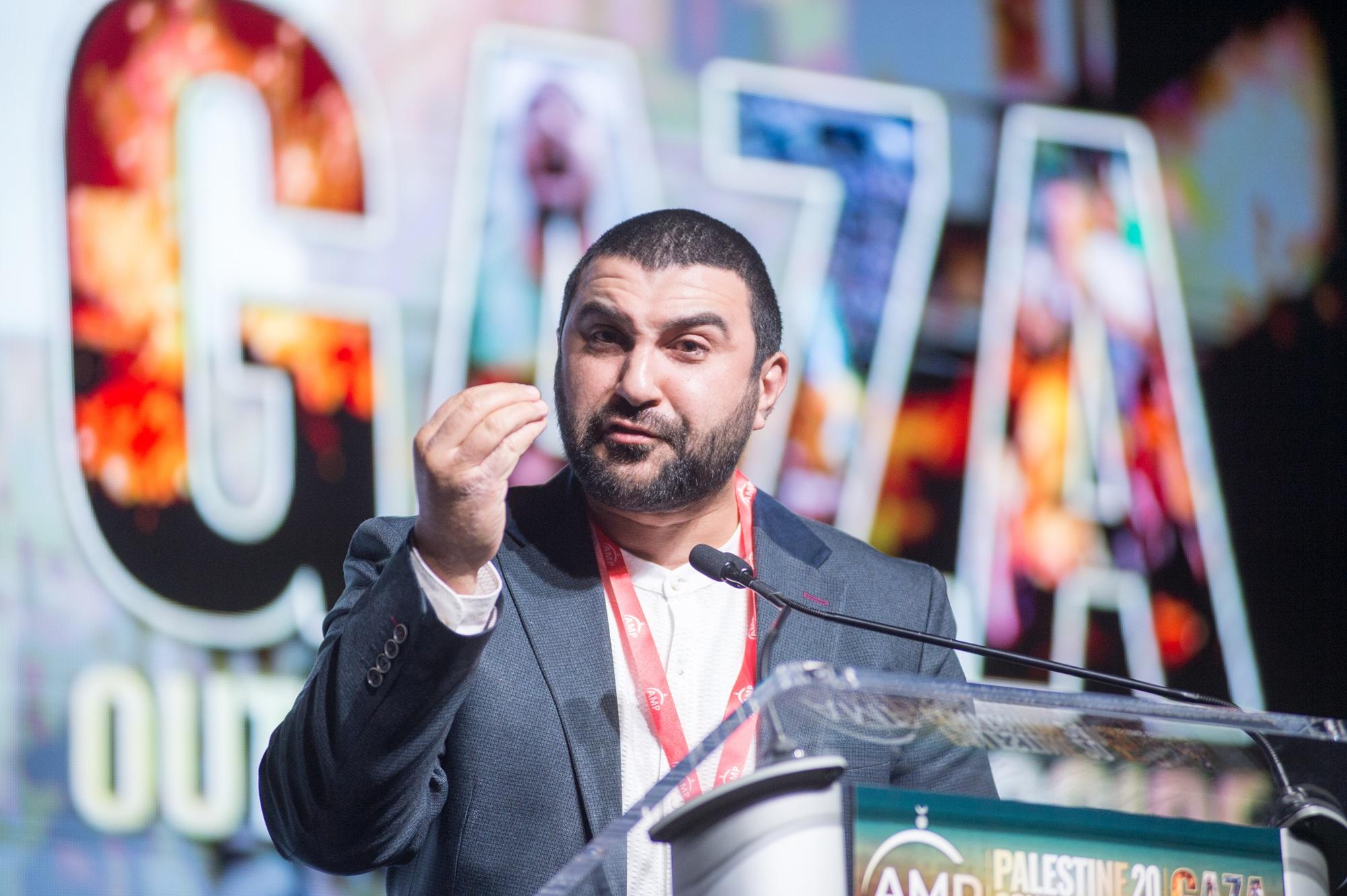
Detention of British Political Analyst Sami Hamdi in the U.S. Sparks Debate on Immigration Enforcement and Free Expression
Sami Hamdi, a prominent British political analyst known for his incisive commentary on Middle Eastern affairs, was recently detained by U.S. Immigration and Customs Enforcement (ICE) amid a speaking engagement tour across several American cities. Despite holding dual citizenship and valid travel documentation, Hamdi was held for multiple hours before being released without formal charges. The precise reasons for his detention remain undisclosed, fueling concerns about the transparency and fairness of immigration enforcement practices affecting foreign intellectuals.
This incident has ignited discussions about the challenges faced by international experts and commentators participating in U.S. public forums, highlighting issues such as:
- Complexities and uncertainties in visa regulations that can unexpectedly impact professionals with legitimate invitations.
- The risk of discouraging open academic and political dialogue involving foreign voices.
- Delays and increased scrutiny that may disrupt scheduled conferences and public events.
| Category | Information |
|---|---|
| Nationality | British and Middle Eastern |
| Purpose of Visit | Speaking tour on Middle Eastern political issues |
| Duration of Detention | Several hours |
| ICE’s Official Explanation | Not publicly clarified |
Effects on International Academic Exchange and Political Discourse
The sudden detention of Sami Hamdi has reverberated through academic and political commentary circles on both sides of the Atlantic, threatening the vitality of transatlantic intellectual exchange. Open dialogue and the free flow of ideas are foundational to these exchanges, yet incidents like this introduce uncertainty and apprehension among foreign scholars and commentators about their ability to participate in U.S. forums without fear of arbitrary detention.
Key repercussions include:
- Growing reluctance among international experts to engage in U.S.-based debates and conferences.
- A chilling effect on independent journalism and critical political analysis.
- Heightened advocacy for specialized academic visas and clearer protections for free speech.
| Aspect | Situation Before Incident | Potential Consequences |
|---|---|---|
| Academic Collaboration | Vibrant and inclusive | Decline in participation, cautious engagement |
| Political Commentary Climate | Open and critical | Increased self-censorship |
| Transatlantic Relations | Strong intellectual partnerships | Potential fragmentation and mistrust |
Scrutinizing ICE Protocols and Legal Obstacles for Visiting Intellectuals
ICE’s increasingly stringent enforcement measures have complicated the experiences of visiting scholars and commentators, even when their presence is authorized for academic or cultural purposes. Sami Hamdi’s detention exemplifies the rigid and often opaque procedures ICE employs, which can include prolonged holding periods, restricted access to legal counsel, and limited communication with diplomatic representatives. These practices raise significant concerns about due process and the protection of fundamental rights.
Legal analysts identify several systemic issues affecting international intellectuals:
- Extended Detentions Without Clear Justification: Individuals may be held for days or weeks on vague grounds, disrupting their professional commitments.
- Limited Access to Legal Support: Delays or denials in obtaining legal representation undermine fair defense opportunities.
- Inconsistent Visa Enforcement: Ambiguous interpretations of visa terms can lead to unexpected detentions.
| Issue | Effect on Visiting Intellectuals |
|---|---|
| Length of Detention | Disrupts academic and public engagements |
| Access to Legal Counsel | Often delayed or restricted |
| Transparency of Procedures | Frequently inadequate, causing confusion |
Advocates urge reforms that strike a balance between safeguarding national security and upholding the rights of visiting intellectuals to freely exchange ideas. The Hamdi case has intensified calls for clearer, more equitable ICE protocols that protect academic freedom and ensure due process in immigration enforcement.
Strategies to Safeguard International Scholars and Commentators in the U.S.
To enhance the protection and freedom of international academics and commentators visiting the United States, it is essential to implement comprehensive legal and procedural safeguards that prevent arbitrary detentions like that experienced by Sami Hamdi. Transparent communication channels between immigration authorities and event organizers can help avoid misunderstandings and ensure smooth entry for distinguished guests who contribute significantly to public discourse.
Recommended measures for policymakers and institutions include:
- Advance Notification Systems: Immigration agencies should be informed ahead of time about scheduled speaking engagements involving foreign intellectuals.
- Dedicated Legal Support Hotlines: Establish emergency advocacy services to provide immediate assistance to detained scholars.
- Guaranteed Access to Specialized Legal Counsel: Ensure prompt availability of immigration attorneys experienced in academic and cultural cases.
- Enhanced Training for Border Officials: Regular workshops to educate customs personnel on the rights and importance of international academic and media figures.
| Recommendation | Expected Benefit | Implementation Method |
|---|---|---|
| Advance Notification | Minimizes risk of detention | Formalized pre-arrival communication protocols |
| Legal Support Hotlines | Provides rapid assistance | Dedicated emergency contact centers |
| Legal Counsel Access | Ensures fair legal process | Partnerships with specialized immigration lawyers |
| Border Staff Training | Promotes respectful and informed treatment | Regular educational seminars and materials |
Conclusion
The detention of British political analyst Sami Hamdi by U.S. immigration authorities during his speaking tour has ignited significant debate over immigration enforcement and its implications for freedom of expression. This episode underscores the delicate balance between national security priorities and the rights of international voices contributing to public discourse. As this situation evolves, ongoing attention and reform efforts are crucial to protect the integrity of academic and political exchanges in the United States. Our platform will continue to provide updates on Hamdi’s case and the broader ramifications for foreign commentators and activists visiting the country.