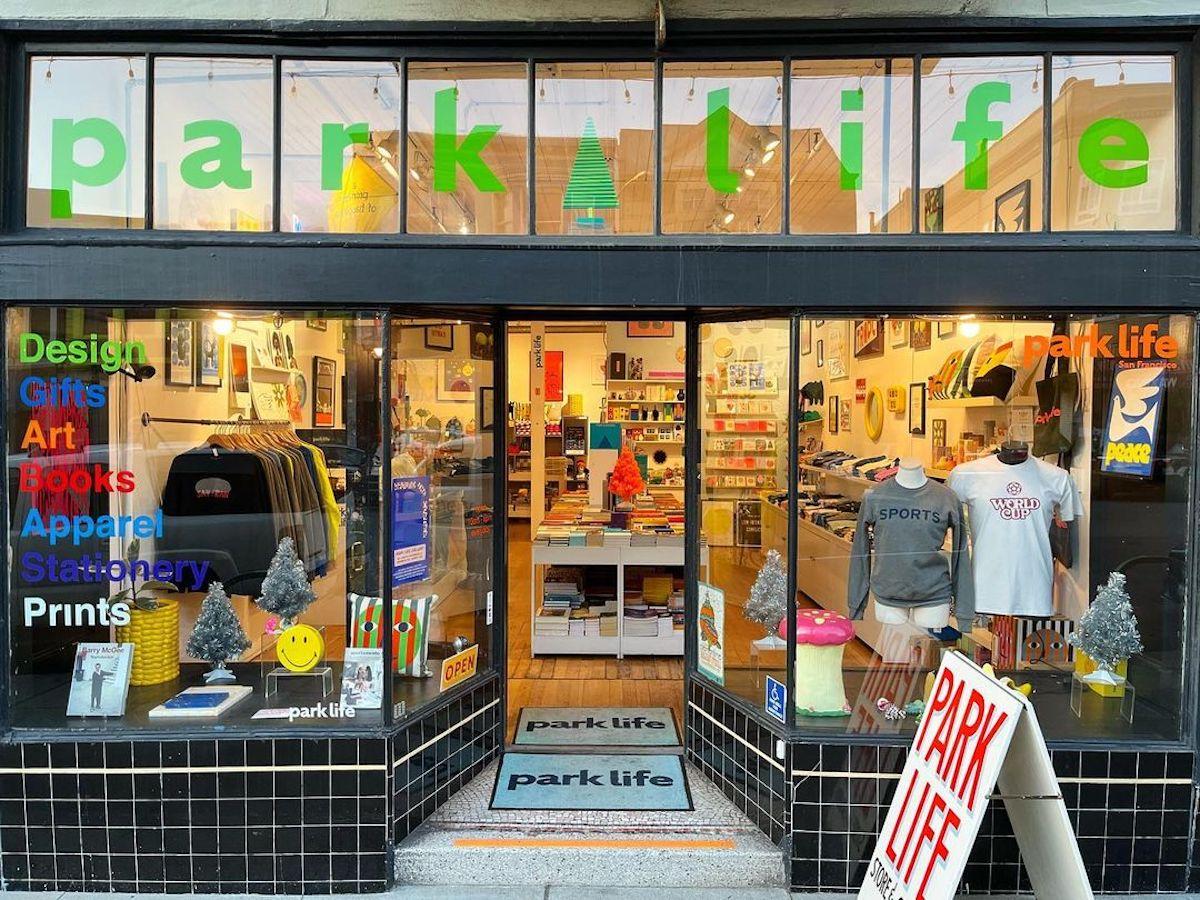
Transforming San Francisco’s Retail Landscape: Beyond Crime and Into Economic Realities
Unraveling the True Causes Behind San Francisco’s Retail Contraction
San Francisco’s once-thriving retail district is experiencing a significant contraction, a trend often oversimplified by attributing it solely to rising crime rates. However, the reality is far more intricate, involving a convergence of economic pressures, evolving social dynamics, and infrastructural challenges. Skyrocketing commercial rents, coupled with a sharp decline in both tourism and office-based workers since the pandemic, have placed immense strain on small and medium-sized retailers operating on narrow profit margins.
Moreover, the rapid acceleration of online shopping has fundamentally altered consumer habits, reducing the foot traffic that brick-and-mortar stores depend on. The city’s regulatory framework, characterized by complex zoning laws and protracted permitting processes, further complicates efforts to launch or sustain retail ventures. Additionally, the ongoing housing affordability crisis has shifted residents’ spending priorities toward essentials, diminishing discretionary retail expenditures.
Below is a summary of key factors influencing the retail environment in San Francisco:
| Influencing Factor | Effect on Retail Sector |
|---|---|
| Commercial Rent Inflation | Leads to store closures due to unsustainable costs |
| Consumer Shopping Trends | Shift toward e-commerce reduces in-person visits |
| Regulatory Complexity | Delays business openings and increases operational expenses |
| Workforce Distribution Changes | Remote work reduces downtown spending |
| Tourism Downturn | Fewer visitors lead to decreased retail sales |
How Economic Trends and Consumer Preferences Are Reshaping Downtown Retail
The retail core of downtown San Francisco is undergoing a profound transformation influenced by macroeconomic trends and shifting consumer behaviors. The rise in remote work has thinned weekday crowds, directly impacting sales for retailers reliant on office workers and commuters. Simultaneously, the pandemic expedited the migration toward digital shopping platforms, challenging traditional storefronts to adapt or face closure.
Several pivotal elements are driving this evolution:
- Remote Work Adoption: A significant reduction in daily downtown visitors has led to a 40% drop in weekday foot traffic, according to recent urban mobility studies.
- Changing Consumer Habits: The demand for convenience and contactless purchasing options has surged, with e-commerce sales in the Bay Area growing by over 35% in the past two years.
- Escalating Operational Costs: Commercial rents in prime retail zones have surged by approximately 25% over the last three years, squeezing profit margins.
| Trend | Impact |
|---|---|
| Remote Work | 40% decline in weekday pedestrian traffic |
| E-commerce Expansion | Online sales increased by 35% |
| Commercial Rent Increases | Average rise of 25% over three years |
Challenges Faced by Local Retailers: Rising Expenses and Regulatory Barriers
San Francisco’s retail entrepreneurs are confronting unprecedented hurdles as operational costs soar and regulatory requirements become more demanding. Many small business owners report that escalating rents, higher utility bills, and increased minimum wage mandates have eroded profitability, forcing some to close or relocate. The bureaucratic maze of permits and compliance adds further strain, often delaying business launches by months and diverting critical resources away from growth activities.
Business operators have identified several pressing concerns:
- Steep Lease Increases: Annual rent hikes reaching up to 15% in sought-after retail districts
- Prolonged Permit Approvals: Waiting periods extending beyond six months in certain cases
- Rising Labor Costs: Enhanced wage and benefit requirements inflating payroll expenses by 20%
- Fragmented City Support: Navigating multiple agencies with inconsistent guidance
| Expense Category | Effect on Business Operations | Typical Delay |
|---|---|---|
| Commercial Rent | Reduces available capital by nearly 30% | Not applicable |
| Permitting Process | Delays product or service launches | 4 to 6 months |
| Labor Regulations | Increases monthly payroll by 20% | Ongoing adjustments |
Innovative Approaches to Revitalize San Francisco’s Retail Core
Revitalizing San Francisco’s retail district requires a comprehensive strategy that transcends public safety improvements. Urban development experts and business advocates emphasize the importance of activating street life through enhanced lighting, public art, and frequent community-driven events to foster a welcoming environment. Integrating technology, such as interactive kiosks and digital navigation tools, can also bridge the gap between physical shopping experiences and online convenience.
Economic incentives paired with zoning reforms are essential to attract and sustain diverse retail ventures. The city has rolled out several initiatives, including:
- Financial Support: Grants and low-interest loans tailored for local entrepreneurs
- Temporary Retail Spaces: Pop-up shops enabling businesses to test markets without long-term leases
- Flexible Leasing Models: Short-term and adjustable lease agreements to lower entry barriers
These combined efforts aim to cultivate a dynamic retail ecosystem that appeals to both residents and visitors, fostering resilience and innovation.
| Initiative | Anticipated Outcome | Implementation Timeline |
|---|---|---|
| Improved Public Lighting | Enhanced safety and increased pedestrian activity | 6 to 12 months |
| Pop-up Retail Programs | Higher occupancy rates and retail diversity | Ongoing |
| Digital Engagement Tools | Greater shopper interaction and convenience | 12 to 18 months |
Final Thoughts: Navigating the Future of San Francisco’s Retail Sector
The contraction of San Francisco’s retail district is a multifaceted issue extending well beyond crime statistics. Economic transformations, shifting consumer behaviors, and the enduring effects of the COVID-19 pandemic collectively reshape the city’s commercial core. For policymakers, entrepreneurs, and community members, recognizing and addressing these intertwined challenges is vital to fostering a vibrant, sustainable retail environment. The path forward hinges on collaborative innovation, adaptive policies, and strategic investments that empower businesses to flourish once again in this iconic urban center.