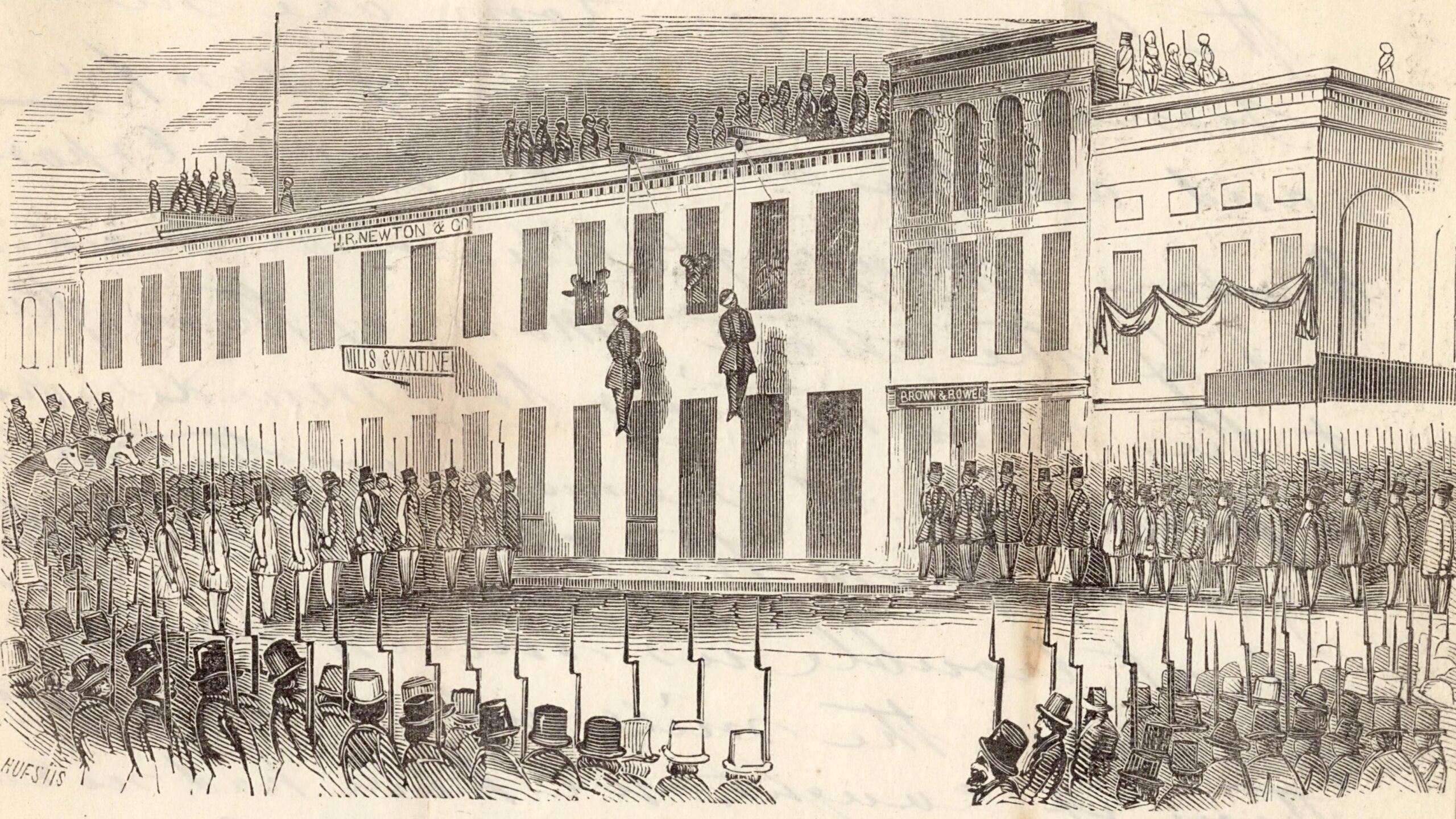
San Francisco’s Vigilante Movement: Origins, Impact, and Lessons for Modern Justice
Emergence of Vigilante Groups Amidst 19th Century Turmoil
During the mid-1800s, San Francisco experienced explosive growth fueled by the Gold Rush, transforming it into a bustling yet chaotic metropolis. The city’s rapid expansion overwhelmed its fledgling law enforcement agencies, which were often plagued by corruption and inefficiency. Frustrated by the inability of official institutions to curb rampant crime and political malfeasance, local residents banded together to form vigilante committees. These self-organized groups sought to impose order and deliver swift justice outside the bounds of formal legal procedures.
Known as Vigilance Committees, these citizen-led organizations conducted their own investigations, trials, and punishments, sometimes resorting to extrajudicial executions. Their actions, while controversial, reflected a desperate attempt to fill the void left by ineffective governance and restore public safety.
- Rapid, unofficial tribunals designed to circumvent corrupt officials
- Targeted prosecution of criminals, thieves, and corrupt politicians
- Community-driven enforcement relying on volunteer participation
| Year | Significant Event | Result |
|---|---|---|
| 1851 | Inception of the First Vigilance Committee | Over 30 arrests; expedited trials |
| 1856 | Expanded Vigilante Actions; Execution of Infamous Gang Leader | Temporary decline in criminal activity |
Consequences for Public Confidence and Legal Systems
The rise of vigilante justice in San Francisco profoundly influenced public attitudes toward both community solidarity and formal law enforcement. While many residents saw these groups as a necessary corrective to a flawed justice system, their extralegal methods sparked debate about the legitimacy and fairness of such actions. When citizens assume the roles of judge, jury, and executioner, it risks undermining the foundational principles of due process and impartiality that underpin the rule of law.
Key repercussions included:
- Strained relationships between civilians and official police forces, complicating cooperative crime-fighting efforts
- Blurring of boundaries between lawful authority and mob justice, leading to social fragmentation
- Heightened potential for miscarriages of justice and escalation of local disputes without proper oversight
| Area Affected | Effect of Vigilantism | Long-Term Implications |
|---|---|---|
| Community Trust | Erosion of confidence in police capabilities | Increased polarization and suspicion among residents |
| Judicial Institutions | Questioned legitimacy and authority | Potential weakening of legal frameworks |
| Social Order | Rise in informal justice practices | Cycle of retaliation and instability |
Understanding the Tactics and Driving Forces Behind Vigilante Justice
The volatile environment of 19th-century San Francisco—marked by surging population, economic flux, and weak law enforcement—set the stage for the emergence of citizen enforcers. These vigilante groups operated beyond the reach of official law, aiming to impose their own version of justice on a city they perceived as riddled with crime and corruption. Their approaches included public trials, extrajudicial punishments, and sometimes orchestrated lynchings, often sidestepping legal safeguards.
Several factors fueled their rise:
- Inadequate policing: Overburdened and compromised law enforcement left many crimes unaddressed.
- Demand for swift justice: Slow, corrupt courts prompted citizens to seek immediate resolutions.
- Economic and social pressures: The Gold Rush attracted a diverse influx, increasing tensions and lawlessness.
- Preservation of social norms: Vigilantes often framed their actions as protecting community values, though this sometimes led to targeting vulnerable groups unfairly.
| Tactic | Objective | Outcome |
|---|---|---|
| Public Hearings | Expedited verdicts | Reassured community members |
| Lynch Mobs | Harsh deterrence | Instilled fear among offenders |
| Organized Vigilante Committees | Coordinated enforcement | Temporary restoration of order |
Strategies for Harmonizing Vigilante Actions with Legal Authority
Balancing the impulse for community-led justice with the imperatives of lawful governance demands transparency, accountability, and collaboration. In areas where law enforcement is perceived as inadequate, vigilante groups often arise as a grassroots response to injustice. However, unchecked extrajudicial actions risk undermining the judicial system’s integrity. Authorities should actively engage with communities to foster trust and create formal avenues for addressing grievances, thereby reducing reliance on informal justice.
Implementing reforms that enhance police responsiveness, alongside community outreach and education, can mitigate the appeal of vigilantism. Empowering citizens with knowledge about their legal rights and providing safe, anonymous crime reporting mechanisms further supports this goal. Below is a summary of recommended approaches to strengthen law and order while respecting community involvement:
- Enhance Community Policing: Build strong partnerships between law enforcement and residents to foster mutual respect and cooperation.
- Establish Oversight Bodies: Create independent review panels with community representation to ensure accountability.
- Promote Legal Awareness: Educate the public on due process and the dangers of self-administered justice.
- Facilitate Accessible Reporting: Develop confidential and user-friendly channels for crime reporting.
- Invest in Social Support Services: Address socioeconomic factors that contribute to criminal behavior.
| Initiative | Effect on Law Enforcement | Benefit to Community |
|---|---|---|
| Community Policing | Builds trust and cooperation | Enhances public safety awareness |
| Oversight Committees | Ensures accountability | Restores confidence in justice |
| Legal Education | Reduces extrajudicial actions | Empowers informed citizenship |
| Accessible Reporting Systems | Increases crime reporting | Enables faster law enforcement response |
| Social Services Investment | Addresses root causes of crime | Promotes long-term community stability |
Final Reflections: Vigilantism’s Role in Shaping Modern Justice
The history of vigilante justice in San Francisco reveals the complexities inherent in maintaining order during periods of rapid social change. While these citizen enforcers emerged as a response to perceived failures in law enforcement, their extralegal methods often challenged the boundaries of legality and civil rights. Over time, the city’s evolution toward a more structured and accountable legal system reflected lessons learned from this turbulent era. Today, understanding this chapter provides valuable perspective on the ongoing challenges communities face when balancing the need for security with the principles of justice and due process.