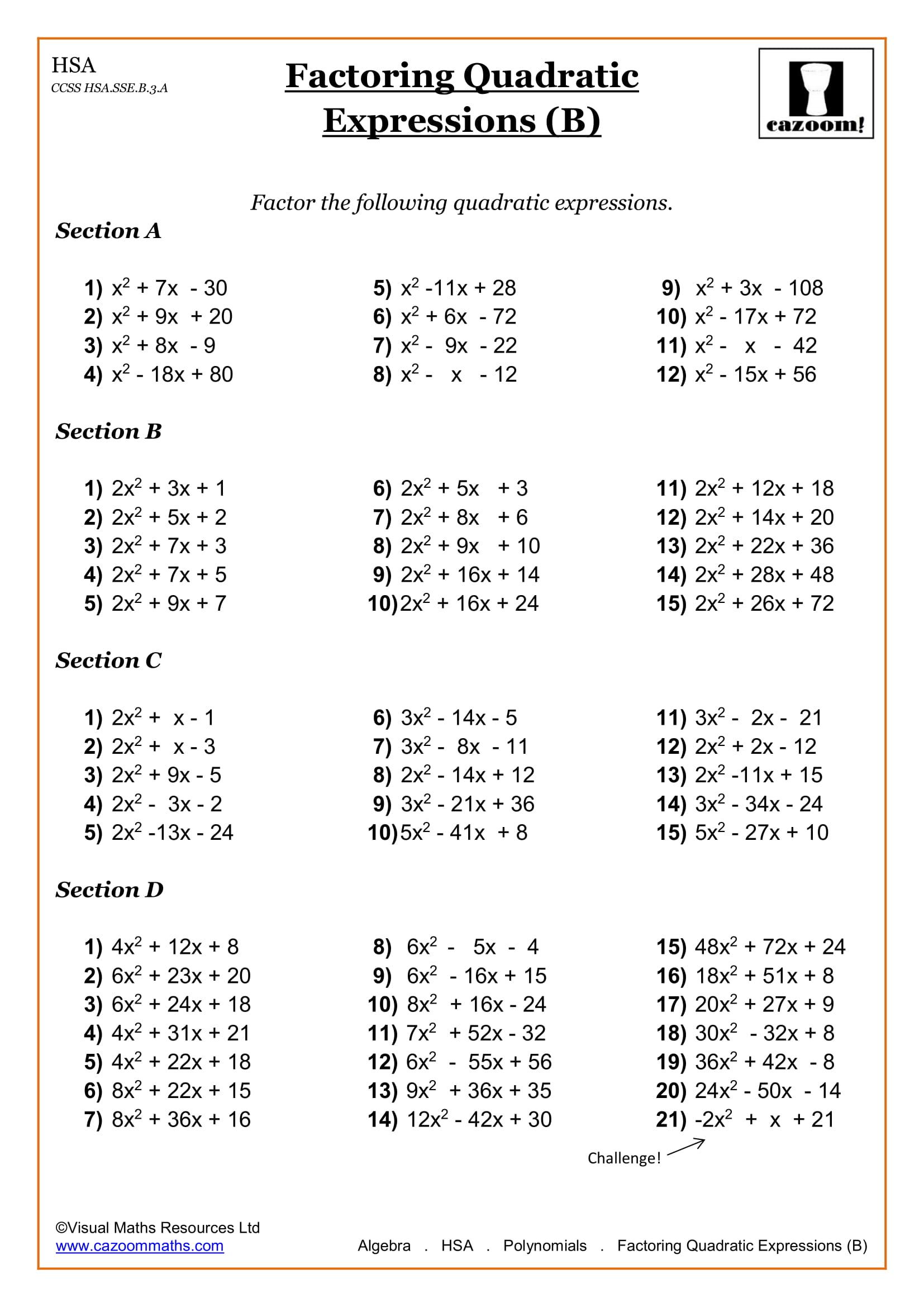
American high school math education is undergoing a significant transformation as educators and policymakers respond to evolving demands in workforce readiness and technological innovation. USA Today reports on how curriculum updates, new teaching methods, and a shift toward practical applications are reshaping the way math is taught across the country. This change aims to better equip students with critical skills needed for success in college and future careers, marking a departure from traditional approaches that have dominated classrooms for decades.
American High School Math Curriculum Embraces New Problem Solving Approaches
Across the United States, educators are pioneering a shift in mathematics instruction that prioritizes critical thinking and real-world application over rote memorization. This transformation is rooted in the adoption of innovative teaching methodologies such as project-based learning and collaborative problem solving, which encourage students to explore multiple solution paths and deepen conceptual understanding. The shift challenges students to engage with math as a dynamic discipline, fostering skills that extend beyond the classroom and into everyday decision-making and future careers.
Key features of this evolving curriculum include:
- Emphasis on reasoning: Encouraging students to explain their problem-solving processes clearly.
- Use of technology: Integrating dynamic graphing tools and simulation software.
- Interdisciplinary connections: Linking math problems to science, economics, and social studies.
This redefined approach is not just theoretical — many districts report improvements in student engagement and performance on standardized assessments. Below is a comparison of traditional versus new problem-solving focus points shaping this educational shift:
| Focus Area | Traditional Approach | New Approach |
|---|---|---|
| Problem Solving | Single method solutions | Multiple innovative strategies |
| Student Role | Passive receivers | Active contributors |
| Assessment Style | Memorization and speed | Understanding and reasoning |
Addressing Equity Gaps Through Inclusive Teaching Strategies
Recent educational reforms emphasize the necessity of inclusive teaching strategies to level the playing field in high school math classrooms across the United States. Educators are integrating culturally responsive pedagogy, differentiated instruction, and collaborative learning models to ensure every student—regardless of background or ability—can thrive. These approaches not only foster deeper understanding but also actively dismantle barriers that have historically marginalized certain student groups, particularly those from underrepresented communities.
Key tactics gaining traction include:
- Culturally Relevant Curriculum: Aligning math problems with students’ real-life experiences and cultural references.
- Flexible Grouping: Encouraging collaboration across skill levels to boost peer learning and engagement.
- Formative Assessments: Offering ongoing feedback tailored to individual needs rather than relying solely on high-stakes testing.
| Inclusive Strategy | Impact on Equity | Example |
|---|---|---|
| Culturally Relevant Curriculum | Improves engagement and relevance | Using financial literacy problems related to local communities |
| Flexible Grouping | Encourages peer support and confidence | Forming diverse skill-level teams for projects |
| Formative Assessments | Provides personalized guidance | Weekly quizzes with tailored feedback |
Integrating Technology to Enhance Student Engagement and Understanding
In today’s classrooms, digital tools are no longer optional but essential in crafting a more dynamic learning environment. Educators across the United States are adopting interactive software and apps that transform abstract math concepts into tangible experiences. By integrating platforms such as virtual manipulatives and real-time data visualization, students engage more deeply with the subject matter, moving beyond rote memorization to genuine comprehension. This shift is especially significant in algebra and geometry, where visualizing problems plays a crucial role in understanding.
Alongside software, many schools have implemented blended learning approaches that blend traditional teaching with technology-driven activities, offering tailored learning pathways. Key benefits reported include:
- Increased student participation: Gamified lessons and instant feedback keep learners motivated.
- Improved conceptual grasp: Interactive simulations allow students to experiment with formulas and outcomes.
- Better teacher insight: Data analytics help educators identify and target individual learning gaps swiftly.
| Tech Tool | Purpose | Impact |
|---|---|---|
| GeoGebra | Dynamic geometry visualizations | Boosts spatial reasoning |
| Kahoot! | Interactive quizzes | Enhances engagement and recall |
| Desmos | Graphing calculator app | Facilitates exploration of functions |
Experts Recommend Teacher Training and Curriculum Updates to Support Reform
To successfully navigate the evolving landscape of high school mathematics, specialists emphasize upgrading teacher training programs. Many educators, particularly those accustomed to traditional methods, require comprehensive professional development that aligns with the latest pedagogical approaches. These trainings are designed to enhance teachers’ abilities in facilitating critical thinking and problem-solving skills, which are key components of the new math standards. Experts suggest that regular workshops, hands-on seminars, and ongoing support networks are essential for sustaining meaningful change in classrooms nationwide.
In tandem with teacher training, curriculum revisions are paramount to support these educational reforms. Updated curricula not only incorporate cutting-edge mathematical concepts but also tailor content to foster real-world applications. Schools are encouraged to adopt learning materials that provide:
- Interactive digital tools to engage students through visualization and simulation
- Integrated interdisciplinary projects connecting math to science, technology, and economics
- Diverse assessment methods that reflect student understanding beyond traditional tests
| Training Component | Focus Area | Impact |
|---|---|---|
| Workshops | Active Learning Techniques | Improved Student Engagement |
| Mentorship | Innovative Problem Solving | Teacher Confidence Boost |
| Online Modules | Technology Integration | Expanded Digital Literacy |
In Conclusion
As American high schools continue to adapt their math curricula to meet evolving educational standards and workforce demands, the transformation underway signals a significant shift in how students engage with mathematics. While challenges remain in implementation and equity, educators and policymakers alike acknowledge that these changes aim to better prepare students for a rapidly changing world. As this reform progresses, stakeholders will be watching closely to see whether these new approaches can deliver on their promise to improve math proficiency nationwide.