
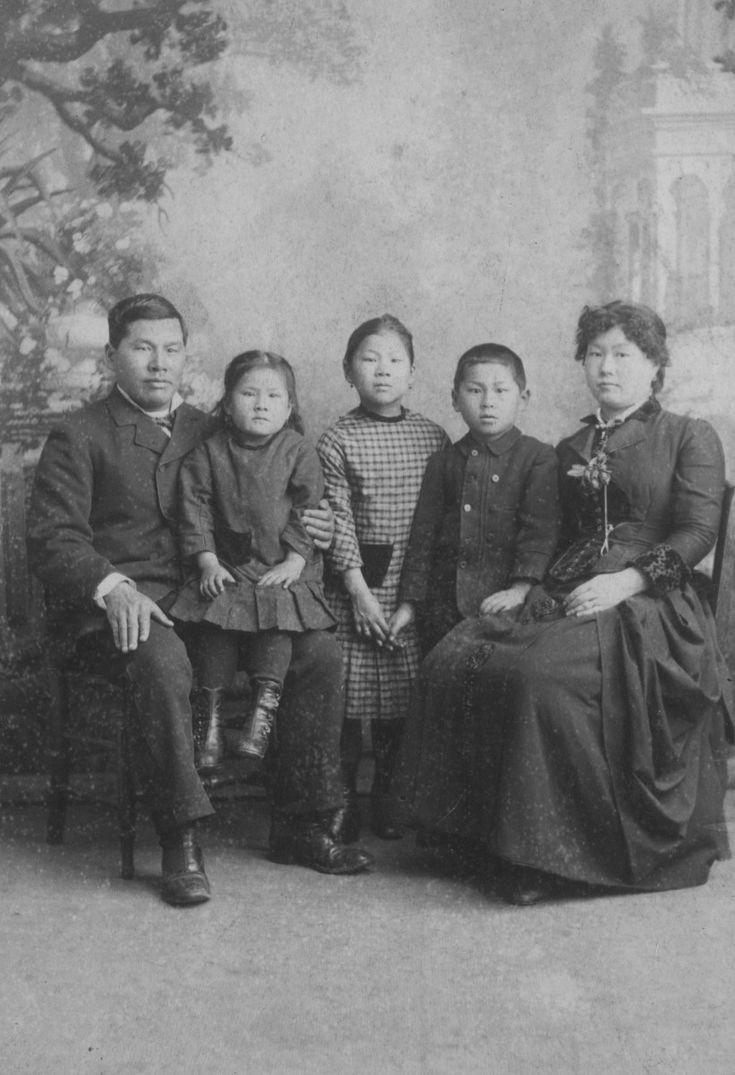
How an 8-Year-Old Chinese American Girl Sparked Early School Desegregation in 1885
In 1885, a remarkable act of bravery by a young Chinese American girl in California challenged the rigid racial segregation of the American education system, setting a transformative precedent nearly 70 years before the landmark Brown v. Board of Education ruling. This often-overlooked episode in history highlights how a child’s unwavering resolve confronted discriminatory schooling policies, igniting a movement toward educational equality. As noted by History.com, her courageous stand remains a vital and inspiring chapter in the broader civil rights narrative in the United States.
Background: Growing Up Amidst Racial Barriers
Born into a humble Chinese immigrant family in late 19th-century California, this young girl’s formative years were marked by the harsh realities of racial exclusion. Chinese American children were routinely denied access to public schools designated for white students, reflecting widespread institutional discrimination. Despite these societal obstacles, her family nurtured in her a strong sense of justice and bravery, which fueled her determination to claim her right to an equal education. At just eight years old, her fight symbolized hope and resilience in a society resistant to change.
Her journey was fraught with significant challenges, including:
| Obstacle | Details |
|---|---|
| Segregated Schooling | Prohibited from enrolling in public schools for white children. |
| Legal Restrictions | State laws explicitly barred Chinese descent children from certain educational institutions. |
| Social Discrimination | Faced both overt racism and subtle exclusion within the community. |
| Economic Hardship | Limited financial means to pursue legal action or private schooling alternatives. |
The Pivotal Legal Battle That Transformed Educational Access
In 1885, this young girl’s refusal to accept racial segregation led to a landmark legal confrontation that challenged discriminatory school policies in California. Denied entry to a local public school solely because of her ethnicity, her family initiated a lawsuit that culminated in a court ruling dismantling segregation laws affecting Asian American students. This victory not only opened educational doors for many children in her community but also laid foundational legal groundwork influencing future civil rights advancements in education nationwide.
Key outcomes of the case included:
- Legal Affirmation: Established the right of Chinese American children to attend public schools on equal terms.
- Community Mobilization: Inspired Asian American families and civil rights advocates to push for desegregation.
- Precedent for Future Cases: Influenced subsequent rulings that challenged segregation for other minority groups.
| Year | Milestone | Significance |
|---|---|---|
| 1885 | School Admission Denied | Initiated legal challenge |
| 1886 | Court Ruling Issued | Mandated desegregation |
| Late 1800s | Community Advocacy Grows | Expanded civil rights activism |
Community Response and the Ripple Effects of the Victory
The young girl’s bold stand ignited a spectrum of reactions within her community and beyond, reflecting the tensions of a society grappling with entrenched segregation. Local media outlets praised her courage, with editorials calling for equal educational opportunities. Conversely, some groups resisted the change, fearing it would disrupt established social hierarchies. Public spaces such as churches, schools, and town halls became arenas for heated debates on race, justice, and equality.
- Proponents: Advocated for swift integration and policy reform.
- Opponents: Organized boycotts and petitions to uphold segregation.
- Undecided: Urged caution but acknowledged the inevitability of progress.
Following the ruling, schools began to reflect these changes, with more diverse classrooms emerging. Neighborhoods slowly adapted to this new reality, with some families embracing the shift while others remained divided. This milestone not only challenged legal norms but also sowed seeds for the broader civil rights movement, demonstrating the profound impact one child’s courage can have on societal transformation.
| Group | Initial Reaction | Long-Term Outcome |
|---|---|---|
| Parents | Varied; some apprehensive, others optimistic | Gradual embrace of inclusive school activities |
| Teachers | Generally supportive but cautious | Curriculum revisions to include diverse perspectives |
| Local Officials | Divided and politically charged | Legislative discussions on civil rights policies |
Enduring Lessons for Modern Education Policy
Over 130 years ago, this young girl’s defiance against segregation set a precedent that continues to resonate in today’s educational landscape. Her story underscores the persistent challenges of racial and cultural exclusion in schools and highlights how early activism can catalyze systemic change. Contemporary education leaders and policymakers can draw valuable insights from her experience to foster more inclusive and equitable learning environments.
Key takeaways relevant to current education debates include:
- Recognizing Intersectionality: Educational access must consider the diverse identities and cultural backgrounds of students.
- Legal Advocacy’s Role: Courts remain crucial venues for addressing discriminatory practices.
- Community Involvement: Grassroots support is essential for sustainable reform.
- Early Action: Tackling segregation and bias at formative stages yields greater long-term benefits.
| Lesson | Contemporary Impact |
|---|---|
| Diverse Curriculum | Enhances student engagement by reflecting varied histories and cultures |
| Anti-Discrimination Measures | Safeguards minority students’ rights and promotes fairness |
| Legal Precedents | Provide a foundation for nationwide desegregation efforts |
| Community Partnerships | Strengthen support for lasting educational reforms |
Looking Ahead: Continuing the Legacy of Educational Equity
The courageous stand taken by this 8-year-old Chinese American girl in 1885 remains a powerful testament to the ongoing pursuit of fairness and inclusion in American education. Her determination not only helped dismantle discriminatory barriers over a century ago but also continues to inspire contemporary efforts toward justice and equality. Recognizing the vital contributions of young activists like her is essential as we strive to build a more equitable society where every child has access to quality education regardless of their background.