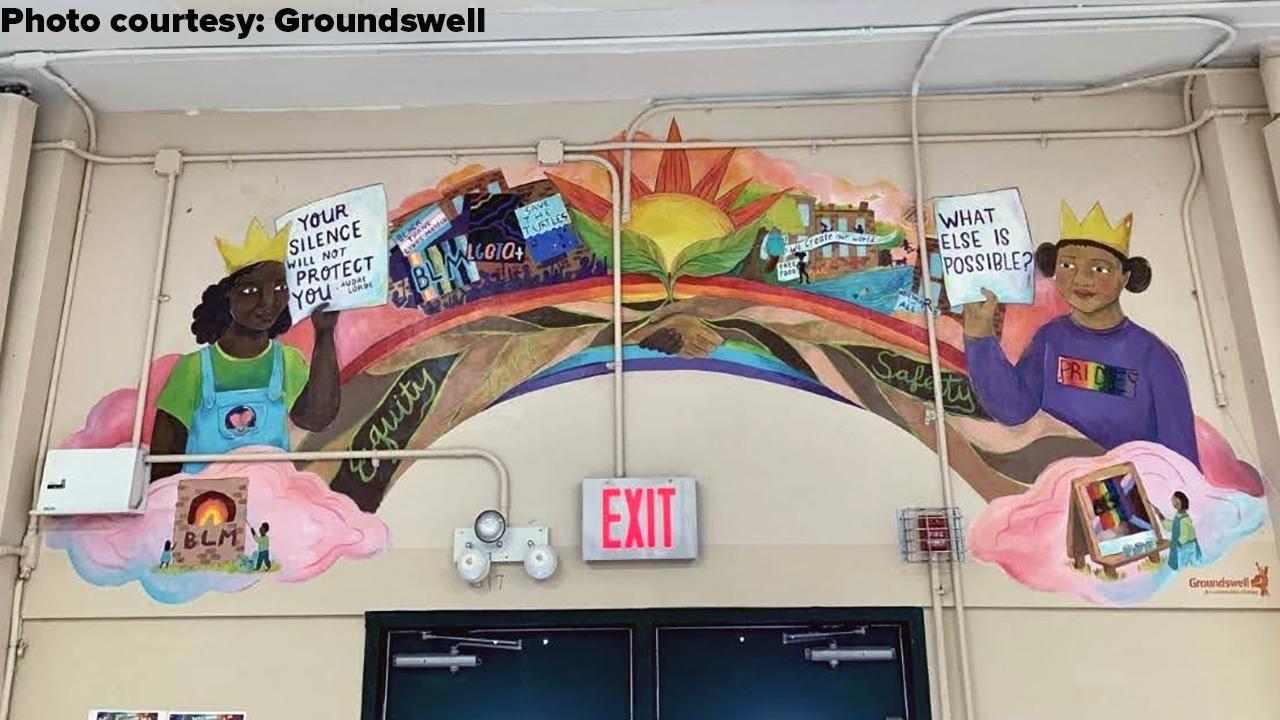
In San Francisco, a recent decision to remove a school mural depicting scenes from American history has ignited a heated debate over how brutal chapters of the nation’s past should be presented to children. The controversy raises pressing questions about the balance between acknowledging historical injustices and protecting young students from potentially distressing imagery. As educators, parents, and community members grapple with the implications of the mural’s removal, the discussion sheds light on broader national conversations about history, memory, and the role of education in confronting the darker aspects of the United States’ legacy.
The Controversy Surrounding the Mural Removal at a San Francisco School
The decision to remove a mural displaying scenes of historic brutality at a San Francisco school has ignited a fierce debate among parents, educators, and community activists. Supporters of the removal argue that the graphic imagery and depictions of violence are inappropriate for children, potentially causing distress and trauma. They assert that schools should prioritize creating a safe learning environment, free from reminders of the country’s darkest chapters, especially in classrooms where young minds are still developing. For many, shielding students from brutal historical realities is seen as a necessary step to foster positivity and inclusivity in education.
Conversely, opponents contend that erasing such artwork risks sanitizing history and depriving students of the opportunity to engage critically with the past. They emphasize that confronting uncomfortable truths through visual narratives can promote empathy, awareness, and social justice. As one community member noted, “Understanding history’s atrocities is essential to preventing them from repeating.” Educators and historians have also highlighted alternative approaches, like providing context and guided discussions rather than removal, ensuring that history-no matter how brutal-is confronted rather than concealed.
Balancing Educational Value and Emotional Impact on Students
When confronting complex narratives from history, educators face the challenge of presenting facts without causing undue emotional distress to students. The mural in question depicted scenes of brutal US history that some argue are essential to understanding the nation’s past, while others worry these graphic images could traumatize young viewers. Striking a balance means creating an educational environment where difficult truths are acknowledged but contextualized with sensitivity. This approach promotes critical thinking and empathy, encouraging students to grapple with the past while feeling supported rather than overwhelmed.
Schools contemplating whether to retain or remove such imagery must consider multiple factors:
- Age appropriateness: Younger children may require carefully curated content with guided discussions.
- Historical context: Providing background resources and instructor-led interpretation is crucial.
- Emotional readiness: Assessing the emotional maturity of the student body helps tailor educational strategies.
| Consideration | Potential Approach | Expected Outcome |
|---|---|---|
| Graphic content | Limit exposure or present with warnings | Reduces shock, encourages preparedness |
| Dialogue facilitation | Organize moderated discussions | Fosters understanding and empathy |
| Alternative materials | Supplement with age-appropriate resources | Supports varied learning styles |
The Role of Schools in Presenting Difficult Historical Truths
Schools stand at a critical crossroads between educating young minds and managing the discomfort that comes with confronting painful chapters of US history. When murals or symbols depicting controversial eras or figures spark debate, educators face the challenge of balancing historical accuracy with the emotional impact on students. Shielding children entirely from difficult truths risks creating sanitized versions of history that fail to foster critical thinking or empathy. Conversely, integrating these narratives requires careful context, age-appropriate discussions, and support systems that help students engage without trauma.
Implementing educational strategies that handle sensitive material with nuance is key. Schools that have pioneered thoughtful approaches emphasize:
- Inclusive curricula that present multiple perspectives, including marginalized voices
- Guided dialogue where students can ask questions and express feelings in a safe environment
- Teacher training focused on cultural competency and trauma-informed methods
- Parental involvement to ensure community values and concerns are addressed collaboratively
| Approach | Benefit | Potential Challenge |
|---|---|---|
| Content Warnings | Prepares students for tough subject matter | May cause anxiety or avoidance |
| Interactive Projects | Encourages critical thinking and engagement | Requires additional time and resources |
| Guest Speakers | Brings real-world perspectives | Risk of conflicting viewpoints |
Recommendations for Navigating Sensitive Historical Content in Classrooms
Educators must balance honesty with empathy when discussing difficult chapters of US history. Creating a safe space for dialogue encourages students to voice their feelings and questions while promoting critical thinking. It’s essential to present multiple perspectives that reflect the complexity of historical events rather than simplifying or sanitizing them. This approach fosters understanding without alienating or overwhelming young learners.
Practical methods include:
- Contextualizing sensitive content within broader societal developments.
- Incorporating age-appropriate materials that engage without shocking students.
- Encouraging collaborative projects that explore history through art, literature, or oral histories.
| Strategy | Purpose | Outcome |
|---|---|---|
| Use primary sources | Promote authenticity | Develop critical analysis |
| Facilitate moderated discussions | Foster empathy | Encourage respectful dialogue |
| Create reflective assignments | Personalize learning | Build emotional connection |
Key Takeaways
The debate surrounding the removal of the school mural in San Francisco encapsulates a broader national conversation about how history should be presented to young learners. While some argue that shielding children from harsh historical realities protects their innocence, others contend that confronting the past, no matter how brutal, is essential for fostering understanding and critical thinking. As schools across the country grapple with similar decisions, finding a balance between education and sensitivity remains a complex challenge-one that invites ongoing dialogue among educators, parents, and communities.