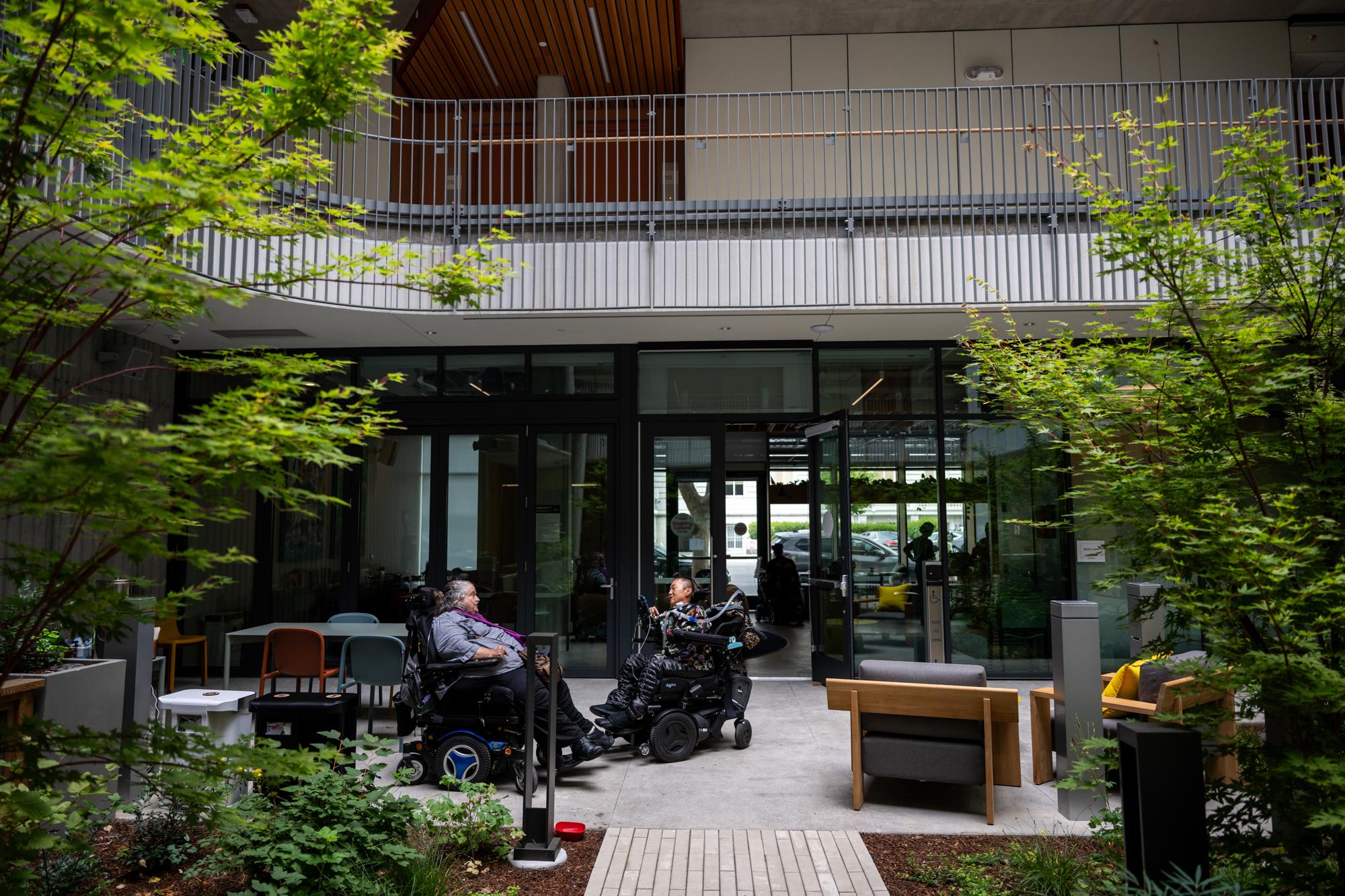
San Francisco Launches Trailblazing Disability Cultural Center to Foster Inclusion and Empowerment
Reimagining Inclusion: A New Cultural Hub for the Disability Community
San Francisco has unveiled its inaugural cultural center dedicated exclusively to disability, marking a transformative milestone in the city’s ongoing commitment to diversity and inclusion. This innovative venue, described as “a space created by us, for us,” offers a vibrant environment where individuals with disabilities can embrace their identities, share personal narratives, and cultivate a strong sense of community. As reported by KQED, the center serves as a crucial platform that elevates the voices of disabled people, dismantling misconceptions and promoting deeper societal understanding.
Far beyond mere accessibility, the center embodies empowerment by hosting a variety of workshops, cultural programs, and advocacy initiatives that prioritize authentic representation. Its foundational principles emphasize community leadership and universal design, ensuring that every aspect of the space is welcoming and functional for a broad spectrum of abilities.
- Inclusive Design: Thoughtfully engineered facilities and programming accommodate diverse physical, sensory, and cognitive needs.
- Collaborative Partnerships: Engagement with local artists, activists, and organizations enriches the center’s offerings and reflects a wide range of lived experiences.
- Showcasing Talent: Regular events spotlight disabled creators, providing visibility often lacking in mainstream cultural venues.
| Program | Objective | Schedule |
|---|---|---|
| Artistic Innovation Lab | Interactive workshops empowering disabled artists | Monthly |
| Advocacy Roundtables | Policy dialogue and activist skill-building | Every two weeks |
| Cultural Exhibitions | Showcasing performances and art by disabled creators | Quarterly |
Community-Led Initiatives Amplify Disabled Voices and Foster Empowerment
Central to the center’s mission is the empowerment of disabled individuals through programs that are shaped and led by the community itself. This approach nurtures a space where participants can express their unique experiences, challenge societal stereotypes, and reshape public perceptions of disability. Through storytelling, art exhibitions, and peer-led advocacy, the center cultivates a culture of mutual support and collective action.
Highlighted initiatives include:
- Peer Advocacy Networks: Groups that encourage shared leadership and collaborative activism.
- Cultural Celebrations: Events that honor the rich heritage and creative contributions of disability communities.
- Digital Accessibility Training: Programs designed to close the technology gap and enhance digital literacy.
These efforts not only promote individual growth but also contribute to a broader societal shift toward equity and inclusion.
Creative Spaces Designed to Inspire Disabled Artists and Foster Connection
The center offers a groundbreaking environment where disabled artists can flourish, supported by accessible facilities and innovative programming. Embracing the philosophy of “by us, for us,” the space encourages artistic freedom and authentic expression, providing opportunities often unavailable in conventional art venues.
Key offerings include:
- Workshops facilitated by disabled creatives, promoting skill development and peer mentorship.
- Open studio sessions equipped with adaptive technologies to accommodate various needs.
- Live performances that explore intersectional disability narratives and diverse artistic forms.
- Exhibitions featuring experimental and boundary-pushing works by disabled artists.
These programs not only nurture artistic innovation but also strengthen community bonds, positioning the center as a vital incubator for cultural and social engagement.
| Feature | Purpose |
|---|---|
| Adaptive Studios | Facilitate hands-on creative work with specialized tools |
| Peer-Led Sessions | Encourage knowledge exchange and empowerment |
| Community Art Shows | Highlight diverse artistic voices and perspectives |
| Performance Venues | Support live storytelling and expressive arts |
Scaling Disability Cultural Centers: Strategies for Nationwide Growth
To expand the transformative impact of disability cultural centers beyond San Francisco, a comprehensive national framework is essential. This strategy should prioritize grassroots leadership, ensuring that disabled individuals guide the development and operation of these spaces. Tailoring programs to reflect the diverse experiences within the disability community will foster meaningful engagement and sustained participation.
Collaborations with established arts institutions, educational bodies, and media outlets can create a robust ecosystem that integrates disability culture into the broader cultural landscape. Additionally, funding approaches must evolve to include long-term, flexible financial support that adapts to community needs.
Policy initiatives should incentivize inclusivity by providing state and federal backing, encouraging regional partnerships that facilitate resource sharing and best practice dissemination. The following table outlines critical components for successful expansion:
| Key Element | Recommended Action | Anticipated Benefit |
|---|---|---|
| Community Governance | Form advisory councils led by disabled artists and advocates | Maintains relevance and empowers stakeholders |
| Stable Funding | Develop multi-year funding streams with adaptable budgets | Ensures financial resilience and innovation |
| Cross-Industry Partnerships | Collaborate with schools, museums, and media organizations | Broadens impact and mainstreams disability culture |
| Legislative Support | Advocate for policies that fund and protect inclusive cultural programs | Secures ongoing institutional commitment and accessibility |
Final Thoughts: A Blueprint for Inclusive Cultural Futures
San Francisco’s Disability Cultural Center exemplifies a forward-thinking model for inclusive community spaces, reflecting a broader societal push toward accessibility and representation. By centering the lived experiences and creative expressions of disabled individuals, the center not only provides essential resources but also cultivates belonging and empowerment. As this pioneering initiative evolves, it offers a replicable framework for other cities aiming to establish truly inclusive cultural institutions that celebrate the full spectrum of human diversity.