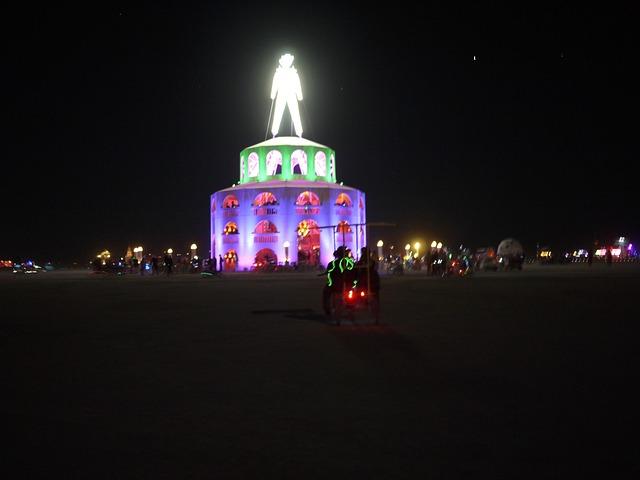
The Birth and Growth of Burning Man: From Beach Bonfire to Global Cultural Icon
Burning Man began in 1986 as an impromptu gathering on a San Francisco shoreline, when artist Larry Harvey and a small group ignited a wooden figure of a man. This spontaneous ritual quickly resonated with a growing audience, evolving into an annual event celebrating radical self-expression and collaborative creativity. By 1990, the festival relocated to Nevada’s expansive Black Rock Desert, where the vast open terrain allowed the emergence of Black Rock City-a temporary metropolis dedicated to artistic innovation, community, and countercultural ideals.
Throughout its history, Burning Man has expanded to include immersive art installations, themed camps, and participatory experiences that embody its foundational tenets: radical inclusion, gifting, and decommodification. The festival culminates in the iconic burning of “The Man,” a towering wooden effigy symbolizing renewal and collective spirit. Key aspects of the event include:
- The creation of Black Rock City, a transient urban space inhabited for one week annually
- A commitment to environmental responsibility through strict “Leave No Trace” principles
- Growth from a modest gathering to a vibrant community of approximately 70,000 participants
Black Rock City: The Desert’s Temporary Urban Marvel
Each year, Black Rock City rises from the Nevada desert as a meticulously designed, avant-garde city spanning nearly seven square miles. Its layout mimics a giant clock, with radial streets extending from a central plaza and concentric avenues named after hours. This ephemeral city hosts around 70,000 attendees who immerse themselves in a week-long celebration of art, community, and self-reliance. The city’s pedestrian-friendly environment encourages alternative transportation such as bicycles and creatively decorated art cars, reinforcing a culture of sustainability and cooperation.
- Theme Camps: Interactive hubs offering unique experiences and communal engagement.
- Art Installations: Large-scale sculptures and interactive artworks incorporating elements like light, fire, and sound.
- Workshops and Performances: Diverse activities ranging from meditation sessions to theatrical productions that nurture artistic expression.
- Gifting Economy: A cashless system encouraging generosity and shared resources among participants.
Behind the scenes, the Burning Man organization orchestrates complex logistics including sanitation, medical support, and safety protocols. Essential services such as emergency response teams, solar-powered communication networks, and waste management crews operate seamlessly to maintain the city’s functionality. The festival’s unwavering dedication to environmental stewardship ensures that once the event concludes, the desert is restored to its pristine condition.
| Aspect | Details |
|---|---|
| Venue | Black Rock Desert, Nevada |
| Population | Approximately 70,000 during the festival |
| Duration | Seven days |
| City Blueprint | Clock-inspired design with radial and concentric streets |
| Transportation Modes | Primarily walking and cycling |
Defining Moments and Artistic Highlights of Burning Man
Burning Man’s spirit is best captured through its hallmark events, which shape the festival’s distinctive character each year. The centerpiece is the dramatic burning of “The Man”, a colossal wooden sculpture set ablaze at sunset. This fiery ritual symbolizes communal release and creative rejuvenation, drawing tens of thousands into a shared moment of awe and introspection. Surrounding this pivotal event are spontaneous performances, impromptu gatherings, and themed camps that celebrate radical self-expression and foster a dynamic, ever-changing cultural landscape.
Complementing these experiences are the festival’s renowned art installations, which serve as both landmarks and interactive playgrounds. These works range from kinetic sculptures that respond to desert winds to immersive light and fire displays that transform the nightscape. Common features of these installations include:
- Illuminated and Pyrotechnic Elements: Creating mesmerizing nocturnal environments
- Collaborative Creations: Artworks built collectively, embodying community spirit
- Thematic Storytelling: Visual narratives reflecting themes of transformation, freedom, and connection
These artistic endeavors invite active participation, transforming spectators into contributors and weaving a collective narrative unique to each year’s festival.
The Deep Symbolism Behind Burning the Man Effigy
The climactic burning of “The Man” stands as a profound ritual imbued with layered symbolism. This fiery spectacle represents cycles of renewal, transformation, and the fleeting nature of existence. Thousands gather to witness the blaze, sharing a collective catharsis that strengthens communal bonds and encourages personal reflection. The act serves as a metaphorical cleansing, allowing participants to shed past burdens and embrace fresh starts amid the desert’s transient landscape.
This ceremony is a carefully choreographed fusion of art, performance, and spirituality. Leading up to the burn, attendees engage with numerous smaller installations and interactive experiences that explore themes of identity, connection, and creativity. The destruction of “The Man” also stands as a deliberate repudiation of consumer culture and materialism, core values that define Burning Man’s ethos. Its symbolic dimensions include:
- Rebirth: Fire as a purifying agent offering spiritual renewal
- Unity: Collective participation fostering a shared sense of belonging
- Impermanence: Highlighting the transient nature of art, life, and experience
- Defiance: A statement against permanence, commercialization, and societal conformity
Final Thoughts: Burning Man’s Enduring Legacy
As another transformative week concludes in the Nevada desert, Burning Man remains a powerful testament to human creativity, community, and self-expression. From its modest origins to the sprawling, vibrant Black Rock City it is today, the festival continues to captivate and inspire. Anchored by its iconic ritual-the burning of “The Man”-and guided by evolving principles, Burning Man challenges participants to rethink art, society, and interpersonal connection, securing its place as a landmark cultural phenomenon in the 21st century.