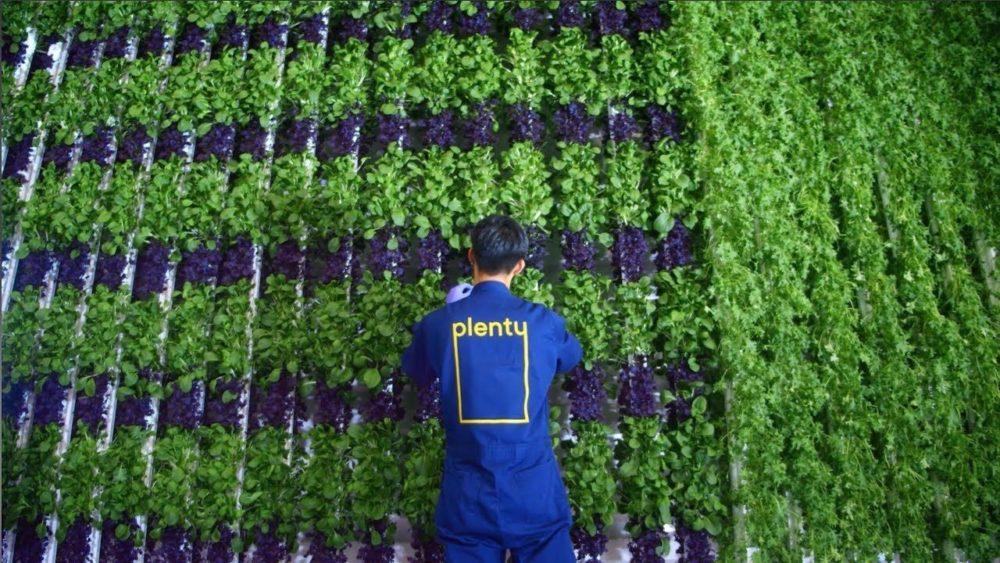
Plenty, a leading vertical farming company, has officially confirmed the closure of its South San Francisco facility, marking a significant shift in its operational strategy. The decision comes amid evolving market dynamics and an industry-wide reassessment of large-scale urban farming models. This development highlights the challenges faced by companies seeking to scale sustainable agriculture solutions in metropolitan areas.
Plenty Announces Shutdown of South San Francisco Vertical Farming Operations
Plenty The shutdown highlights the broader challenges faced by vertical farming ventures, including high operational costs and the difficulty of achieving profitability at scale. Industry observers note that Plenty’s move may signal a recalibration across the sector as startups balance innovation with financial sustainability. Key factors influencing this decision include:Aspect Impact on South San Francisco Facility Energy Use High consumption led to operational inefficiencies Labor Significant workforce realignment planned Technology Shift towards automation at other sites Market Demand Focus on regions with higher yield potential
Analyzing Challenges Behind the Closure in Urban Agriculture Sector
The closure of Plenty’s South San Francisco vertical farming facility highlights the multifaceted challenges facing urban agriculture startups today. Despite the promise of innovative technology and sustainable crop production, high operating costs and scalability concerns continue to strain profit margins. Vertical farms require substantial capital investment in infrastructure, lighting, and climate control systems, which often clash with the tight budgets typical for urban real estate projects. Additionally, the complexity of integrating advanced automation with crop science demands expertise across multiple disciplines, creating operational bottlenecks that can slow expensive research and development phases.
Moreover, market dynamics play a critical role in shaping the viability of urban farms. Consumers’ willingness to pay premium prices for locally grown, pesticide-free produce has yet to reach a level that consistently supports large-scale vertical farms. Distribution logistics and competition from traditional agriculture and imported goods further erode potential profit streams. Below is a brief overview of key factors influencing the sustainability of vertical farming ventures:
| Key Challenge | Description | Impact |
|---|---|---|
| Capital Intensity | High initial setup and maintenance costs for technology and facilities | Limits expansion and cash flow |
| Technical Complexity | Need for specialized knowledge in both agriculture and automation | Increases operational risks and time to market |
| Market Pricing | Consumers’ limited willingness to pay premium prices | Reduces revenue potential |
| Distribution Challenges | Logistics. cost and competition from traditional produce | Limits market reach and profitability |
Impact on Local Workforce and Vertical Farming Industry Outlook
The shutdown of the South San Francisco vertical farming site has brought immediate repercussions for the local workforce, with dozens of employees facing layoffs amid a challenging industry landscape. Many of these roles were specialized, offering careers in urban agriculture that combined technology with sustainability—skills that are now at risk of being lost or underutilized. Community leaders and labor advocates are urging efforts to retrain affected workers, emphasizing the need for adaptable skillsets as vertical farming continues to evolve.
Despite this setback, industry analysts remain cautiously optimistic about the future of vertical farming. The sector is expected to see ongoing innovation and investment, particularly in automation, crop genetics, and energy optimization. Key drivers supporting recovery and growth include:
- Rising consumer demand for locally grown, pesticide-free produce
- Advancements in LED lighting and hydroponic technologies
- Increased interest from venture capital and agricultural technology firms
- Government incentives promoting sustainable urban agriculture projects
| Metric | 2023 | 2024 (Projected) |
|---|---|---|
| Vertical Farming Market Size (USD Billion) | 3.5 | 4.2 |
| Number of Operational Facilities | 150 | 180 |
| Workforce Employed (Thousands) | 8.1 | 8.7 |
Recommendations for Sustainable Growth in Controlled Environment Agriculture
To ensure sustainable growth in controlled environment agriculture (CEA), stakeholders must prioritize resource efficiency and innovation. Integrating renewable energy sources such as solar or wind can dramatically reduce the carbon footprint of vertical farming operations. Additionally, adopting closed-loop water management systems to recycle and purify water within facilities can mitigate the strain on local water resources. Investment in automation and AI-driven crop monitoring should be encouraged to optimize yields and reduce labor costs without compromising quality.
Collaboration across the supply chain is equally crucial. Establishing transparent partnerships between technology providers, farmers, and distributors fosters resilience against market fluctuations, such as those witnessed in the recent South San Francisco facility closure. Policymakers should also incentivize sustainable practices through grants and tax breaks, enabling startups and existing producers to scale responsibly. Below is a snapshot of key strategies for fostering sustainability in CEA:
| Focus Area | Recommended Action | Impact |
|---|---|---|
| Energy | Shift to renewable sources | Reduces emissions, lowers costs |
| Water | Implement closed-loop systems | Conserves water, reduces waste |
| Technology | Adopt AI and automation | Enhances efficiency, saves labor |
| Policy | Provide financial incentives | Encourages expansion, innovation |
Future Outlook
The closure of Plenty’s South San Francisco vertical farming facility marks a significant moment for the urban agriculture sector, highlighting both the challenges and complexities faced by innovative farming ventures. As the industry continues to evolve, stakeholders will be watching closely to see how companies adapt their strategies to balance technological advancement with operational sustainability. This development serves as a reminder of the ongoing hurdles in scaling vertical farming and the need for continued investment and innovation to realize its full potential in reshaping food production.