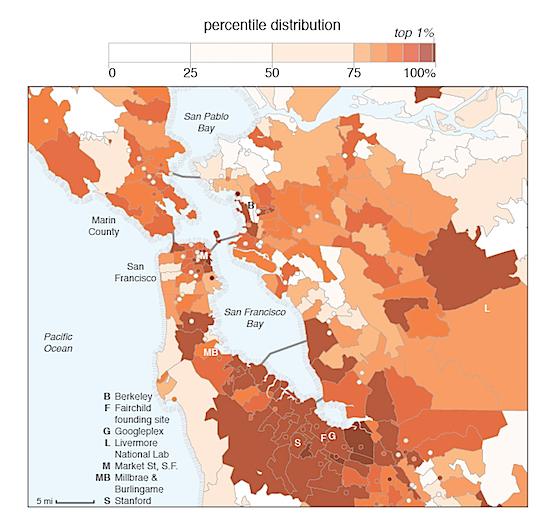
Redefining America’s Startup Landscape: Beyond San Francisco’s Reign
San Francisco’s Startup Supremacy Faces New Contenders
For decades, San Francisco has been synonymous with startup innovation, serving as the premier destination for entrepreneurs and venture capital alike. Yet, recent comprehensive analyses, including insights from HowMuch.net, reveal a shifting paradigm. The city’s once unchallenged position is now contested by a wave of burgeoning tech centers across the United States. These emerging ecosystems are reshaping the entrepreneurial map, offering fresh opportunities and competitive advantages that rival the Bay Area’s traditional allure.
Emerging Tech Hubs: The New Frontiers of Innovation
Metropolitan areas such as Austin, Miami, and Denver have rapidly ascended as attractive alternatives for startups. These cities combine lower operational expenses with thriving talent pools and growing venture capital inflows, creating fertile ground for innovation. Notably, established technology firms are also expanding their footprints into these regions, diversifying their geographic presence and tapping into new markets.
Primary drivers behind this trend include:
- Affordability: Reduced costs for office space and living expenses make these cities appealing for both founders and employees.
- Investor Accessibility: Venture capital networks are increasingly decentralized, with significant funding now flowing into secondary markets.
- Enhanced Lifestyle: Less congestion and improved work-life balance attract tech professionals seeking a healthier environment.
| City | Startup Growth Rate (2023) | Average Office Rent (per sq. ft.) | Venture Capital Funding (2023) |
|---|---|---|---|
| San Francisco | 4.5% | $75 | $35B |
| Austin | 12.8% | $40 | $9B |
| Miami | 15.2% | $28 | $5B |
| Denver | 10.7% | $32 | $3.4B |
Economic and Lifestyle Challenges Prompting a Shift from the Bay Area
The Bay Area’s escalating costs present formidable obstacles for startups in their nascent stages. Skyrocketing housing prices and limited availability strain entrepreneurs’ ability to balance business growth with personal sustainability. High office rents and labor costs further exacerbate financial pressures, often curtailing the runway necessary for innovation and scaling.
Beyond economics, the demanding pace and urban congestion of San Francisco have led many founders to seek cities that offer a more harmonious lifestyle. The migration towards places like Austin, Denver, and Raleigh reflects a preference for environments that combine affordability with access to outdoor recreation, family-friendly neighborhoods, and shorter commutes.
| Factor | Bay Area | Alternative Cities |
|---|---|---|
| Average Monthly Rent | $4,200 | $1,200 – $2,000 |
| Average Commute Time | 1.5 hours | 0.5 – 1.0 hours |
| Quality of Life Score | 65/100 | 75 – 85/100 |
- Financial Strain: High costs reduce startup sustainability and growth potential.
- Work-Life Priorities: Increasing demand for less stressful, outdoor-oriented living environments.
- Expanding Tech Communities: Rapid development of vibrant ecosystems outside traditional hubs.
Cost and Lifestyle: Cornerstones of the Modern Startup Ecosystem
Entrepreneurs today prioritize a blend of affordability and quality of life when selecting startup locations. The rise of remote work and a growing emphasis on sustainable living have shifted the focus from prestige to practicality. Cities that offer competitive office rents, favorable tax structures, and access to skilled labor without exorbitant costs are gaining traction.
Moreover, lifestyle factors such as green spaces, cultural amenities, and manageable commute times play a pivotal role in attracting and retaining talent. The table below compares key metrics across prominent startup cities:
| City | Average Office Rent (per sq. ft.) | Average Commute Time | Startup Cost Index | Quality of Life Rating |
|---|---|---|---|---|
| Austin | $45 | 25 minutes | 3.8 | 8.5/10 |
| Denver | $35 | 20 minutes | 3.2 | 8.7/10 |
| Raleigh | $28 | 18 minutes | 2.9 | 9.0/10 |
| San Francisco | $85 | 30 minutes | 5.0 | 7.2/10 |
- Extended Financial Runway: Lower costs allow startups to allocate more resources toward growth and talent acquisition.
- Higher Employee Retention: Enhanced quality of life correlates with increased productivity and reduced turnover.
- Diverse Innovation Networks: Inclusive and vibrant communities foster creative collaboration and idea exchange.
Effective Approaches for Cities to Cultivate and Sustain Startup Growth
Progressive cities are crafting ecosystems tailored to the distinct needs of high-growth startups. Investments in incubators and accelerator programs provide essential mentorship and facilitate rapid access to capital. Strategic partnerships between academic institutions, research organizations, and private sector players ensure a steady pipeline of innovation and talent.
Additionally, affordable commercial real estate combined with advanced digital infrastructure attracts entrepreneurs seeking scalable solutions without prohibitive expenses. Retention efforts increasingly emphasize quality of life enhancements, including vibrant cultural offerings, accessible green spaces, and efficient public transit systems. Policymakers are also streamlining regulations and offering tax incentives to reduce operational friction while promoting sustainable expansion.
| Retention Strategy | Impact Level | Illustrative City |
|---|---|---|
| Flexible Work Environments | High | Toronto |
| Business-Friendly Policies | Medium | Austin |
| Inclusive Community Networks | High | Berlin |
| Accessible Funding Ecosystems | High | Singapore |
Conclusion: A More Distributed and Dynamic Startup Future
While San Francisco’s legacy as a startup powerhouse remains significant, the entrepreneurial landscape is evolving into a more distributed and multifaceted ecosystem. Emerging cities across the nation are capitalizing on economic advantages, lifestyle benefits, and innovative community-building to challenge the Bay Area’s dominance. This transformation signals a broader trend toward diversification in startup leadership, one that investors, entrepreneurs, and policymakers must recognize and embrace as the future unfolds.