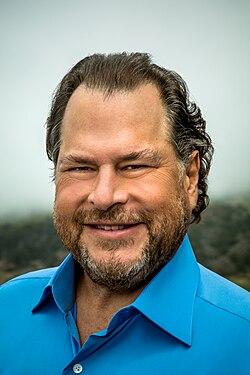
Salesforce CEO Benioff Urges National Guard Deployment to Address San Francisco’s Safety Crisis
Marc Benioff, CEO of Salesforce, has publicly advocated for the federal government to send National Guard troops to San Francisco, citing escalating concerns over crime and homelessness. He stresses that the city’s deteriorating public safety and infrastructure demand swift, decisive action to protect residents and businesses alike. This appeal follows a series of alarming incidents that have spotlighted San Francisco’s ongoing struggles with violent crime and urban decay.
Benioff outlines several critical reasons for his proposal:
- Augmenting law enforcement to reduce violent crime surges
- Supporting emergency responders overwhelmed by persistent crises
- Enhancing coordination between federal and local agencies to tackle homelessness more effectively
- Rebuilding public trust in city leadership and safety measures
| Challenge | Current Situation | Potential Benefits of National Guard |
|---|---|---|
| Public Safety | Rising violent crime rates reported in recent months | Increased patrols and quicker emergency response times |
| Homelessness | Fragmented and insufficient resource coordination | Improved logistical support and shelter management |
| Urban Infrastructure | Noticeable neglect and damage in key neighborhoods | Rapid mobilization for repairs and sanitation efforts |
The Influence of Corporate Leaders on Federal Security Policy
The involvement of prominent business figures like Marc Benioff in federal security discussions raises important questions about the intersection of private sector influence and public governance. Benioff’s call for National Guard deployment in San Francisco exemplifies how corporate voices can shape national security debates beyond conventional political arenas. While such advocacy can bring urgent attention to local crises, it also risks sidelining grassroots initiatives and democratic decision-making processes.
Key points to consider include:
- Potential rebalancing of authority between local and federal governments driven by influential endorsements
- The possibility that security policies may prioritize business interests over community welfare
- Challenges to transparency and accountability in emergency response planning
| Influence Mechanism | Possible Consequences |
|---|---|
| Media Coverage | Heightened public pressure on policymakers |
| Corporate Lobbying | Shifted priorities in resource distribution |
| Policy Framing | Shaping narratives around security and order |
Analyzing San Francisco’s Public Safety Crisis Through a Law-and-Order Lens
San Francisco’s growing public safety challenges have ignited a national conversation about the effectiveness of local policing and the potential need for federal intervention. Proponents argue that the city’s rising crime and homelessness rates have reached a critical juncture, negatively affecting residents’ quality of life and economic vitality. This viewpoint gained momentum with calls for National Guard deployment to quickly stabilize neighborhoods and restore public order.
Opponents, however, warn against the militarization of civilian spaces, advocating instead for comprehensive solutions that address underlying issues such as mental health and economic inequality. The complexity of San Francisco’s crisis underscores the delicate balance between law enforcement and social support systems. The table below contrasts the main arguments on both sides:
| Issue | Supporters of Guard Deployment | Opponents’ Concerns |
|---|---|---|
| Crime Trends | Significant spike necessitating immediate action | Long-term community engagement needed for sustainable change |
| Homelessness | Urgent management to reduce public impact | Investment in housing and social services preferred |
| Public Confidence | Strong enforcement to rebuild trust | Concerns over civil liberties and potential abuses of power |
Expert Insights on Harmonizing Public Safety with Civil Liberties in Urban Environments
Striking a balance between effective public safety measures and safeguarding civil rights remains a nuanced challenge in metropolitan areas. Experts advocate for approaches that combine community policing with transparent oversight to maintain accountability while fostering public trust. Recommended strategies include:
- Enhanced law enforcement training focused on de-escalation and cultural competency
- Establishment of community advisory panels to oversee policies on surveillance and crowd management
- Increased funding for social programs targeting the root causes of crime, such as poverty and mental health issues
Additionally, the use of technology and data analytics should be carefully managed. Experts warn against overdependence on militarized tactics that may heighten tensions or infringe on constitutional freedoms. Instead, integrated efforts that respect civil liberties while addressing security concerns are essential. The following table summarizes key expert recommendations:
| Focus Area | Recommended Action | Anticipated Outcome |
|---|---|---|
| Law Enforcement Practices | Community-driven oversight mechanisms | Greater transparency and accountability |
| Technology Deployment | Clear, transparent data governance policies | Minimized risk of misuse and privacy violations |
| Social Interventions | Early, targeted support programs | Reduction in crime and improved social outcomes |
Conclusion: Navigating the Complex Debate on San Francisco’s Public Safety
Marc Benioff’s recent appeal for National Guard involvement in San Francisco injects a provocative element into the ongoing discourse surrounding urban safety and governance. While it remains uncertain whether this proposal will be adopted, it undeniably underscores the deep divisions over how best to confront the city’s multifaceted challenges. In the coming months, heightened scrutiny of both municipal policies and federal responses is expected, as stakeholders deliberate the balance between enhanced security measures and the preservation of civil liberties in major urban centers.