Unveiling the Enduring Legacy of the Gold Rush: Environmental, Cultural, and Community Perspectives
Lasting Environmental Consequences of the Gold Rush on Western Landscapes
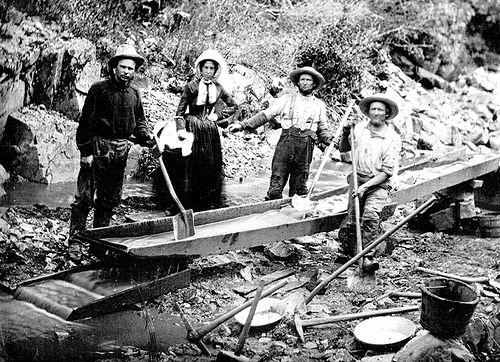
The mid-1800s gold rush triggered a massive migration of prospectors, profoundly altering the natural environment of the American West. The aggressive extraction methods employed during this period inflicted long-term damage on ecosystems, many of which are still recovering today. Pristine waterways were heavily polluted with sediments and hazardous chemicals such as mercury and arsenic, commonly used in gold processing. This contamination disrupted aquatic ecosystems, leading to declines in native fish populations and overall biodiversity.
Additionally, widespread deforestation to accommodate mining operations and infrastructure development stripped away vital topsoil, accelerating erosion and degrading both terrestrial and aquatic habitats downstream.
Major Environmental Challenges Resulting from Gold Mining
- Persistent Water Pollution: Toxic heavy metals like mercury infiltrated rivers and streams, posing long-term ecological and health risks.
- Severe Landscape Modification: Hydraulic mining dramatically reshaped hillsides, leaving behind barren, eroded terrain.
- Displacement of Native Wildlife: Habitat destruction facilitated the spread of invasive species, further threatening indigenous flora and fauna.
- Soil Nutrient Depletion: The removal of fertile topsoil compromised the land’s ability to support vegetation regrowth.
| Environmental Aspect | Impact | Estimated Recovery Period |
|---|---|---|
| Water Systems | Heavy metal contamination | Over 50 years |
| Forests | Extensive deforestation | Several decades to 100 years |
| Soil | Erosion and nutrient loss | Multiple decades |
| Wildlife | Habitat fragmentation and loss | Ongoing, variable |
Safeguarding Gold Rush Heritage: Conservation Efforts and Innovations
Preserving the tangible remnants of the Gold Rush era has become a priority for historians, conservationists, and local communities alike. Many historic mining sites face threats from urban development, natural deterioration, and insufficient funding. Modern preservation initiatives blend time-honored restoration methods with cutting-edge technologies such as 3D modeling and augmented reality, enhancing both the protection of these landmarks and the educational experience for visitors.
These efforts aim to keep the stories of the Gold Rush alive while making them accessible to a broader audience through immersive and interactive platforms.
Core Preservation Approaches
- Partnerships among government agencies, heritage groups, and Indigenous peoples to ensure inclusive stewardship
- Development of educational resources and digital repositories capturing oral histories and artifacts
- Repurposing former mining structures into museums, cultural hubs, and eco-tourism destinations
- Implementation of protective legislation and zoning laws to safeguard sites from unauthorized changes
| Historic Site | Current Preservation Status | Recent Developments |
|---|---|---|
| Silver Creek Mine | Fully Restored | Launched immersive AR experiences |
| Gold Heritage Pathway | Under Protection | Installed updated interpretive panels |
| Mining History Center | Expanded Facilities | Initiated community storytelling projects |
Empowering Communities Through Education: National Geographic’s Role
The National Geographic Society plays a pivotal role in enhancing public awareness about environmental and cultural issues linked to the Gold Rush legacy. By collaborating with schools, Indigenous groups, and local organizations, National Geographic fosters engaging educational programs that inspire stewardship and curiosity. Their approach combines scientific research with compelling narratives, making complex topics approachable for learners of all ages.
These initiatives take various forms to reach diverse audiences effectively:
- Community Science Initiatives: Enabling citizens to participate in wildlife monitoring and data collection.
- Mobile Exhibitions: Bringing interactive natural history displays to urban and rural areas alike.
- Professional Development for Educators: Providing teachers with innovative tools and methodologies to engage students.
| Program Name | Focus Area | Outcomes |
|---|---|---|
| Earth Guardians | Climate Change Awareness | Engaged over 12,000 students nationwide |
| Wildlife Watch | Species Conservation | Recorded sightings of 600+ species |
| Ocean Stewards | Marine Habitat Protection | Supported coral reef restoration projects |
Advancing Sustainable Resource Management After the Gold Rush
In the aftermath of the Gold Rush, restoring damaged environments and ensuring the sustainable use of natural resources became urgent priorities for communities and policymakers. Innovative land rehabilitation programs focused on replanting native vegetation and controlling soil erosion, which helped revive wildlife habitats and promote biodiversity in previously devastated areas. Furthermore, the adoption of environmentally responsible mining practices-such as minimizing chemical runoff and optimizing water use-has been crucial in balancing economic development with ecological health.
Community involvement has been recognized as a cornerstone of successful resource management, with public education and cooperative governance frameworks empowering locals to actively participate in conservation efforts.
Key Sustainable Management Practices
- Reforestation and Soil Rehabilitation: Reduces erosion and enhances water quality
- Regulated Mining Operations: Limits environmental degradation from ongoing extraction
- Integrated Water Resource Planning: Secures sustainable water supplies for communities and industries
- Community-Driven Conservation: Encourages stewardship and adherence to environmental regulations
| Strategy | Environmental and Social Impact | Implementation Timeline |
|---|---|---|
| Reforestation | Recovered 60% of degraded landscapes | Completed within 5 years |
| Mining Regulation | Cut water pollution by 40% | Ongoing |
| Water Management | Secured reliable water for three towns | 10 years |
| Community Engagement | Raised environmental awareness by 70% | 3 years |
Conclusion: Reflecting on the Gold Rush’s Enduring Influence
The Gold Rush remains a defining episode in American history, with its effects still visible in the cultural fabric and natural environment of the West. Through comprehensive research and captivating storytelling, the National Geographic Society continues to illuminate this transformative period, emphasizing both its challenges and lessons. As we revisit these narratives, it becomes evident that the Gold Rush was not merely a quest for fortune but a catalyst for profound and lasting change-one that continues to shape communities and ecosystems today.